

Esqueça os Gigantes da IA! Este Novo Modelo de 2.5B MUDARÁ TUDO (E CABE ONDE VOCÊ MENOS ESPERA)!
Olá, pessoal! Aqui é o Lucas Tech e hoje a gente vai falar de uma novidade que tá fazendo barulho no mundo da IA, principalmente pra quem gosta de modelos eficientes e poderosos, mas sem exigir um supercomputador! A OpenBMB acabou de lançar o MiniCPM5-2B, e olha, o nome pode ser "mini", mas o que ele entrega é GIGANTE!
Conheça o Monstrinho (de Poder)!
Pra começar, o MiniCPM5-2B é o segundo modelo da série MiniCPM5, um sucessor turbinado do MiniCPM5-1B. Ele é um modelo de linguagem causal denso, com impressionantes 2.5 bilhões de parâmetros! Sim, você ouviu direito: 2.5 bilhões, mas de um jeito que otimiza o uso. Ele tem 42 camadas e usa uma atenção super inteligente (grouped-query attention, com 16 cabeças de query e 2 de key/value).
Mas o mais legal é a janela de contexto nativa: 131.072 tokens! Isso significa que ele consegue ‘lembrar’ e processar MUITA informação de uma vez só, o que é crucial para tarefas complexas.
E a boa notícia pra quem curte botar a mão na massa é que a arquitetura é padrão LlamaForCausalLM. Isso facilita DEMAIS! Motores populares como vLLM, SGLang, Transformers, llama.cpp, Ollama, LM Studio, MLX e FlagOS conseguem rodar ele sem gambiarras. Ah, e a licença é Apache 2.0, ou seja, liberdade total para usar!
Pequeno no Tamanho, Gigante nos Benchmarks!
Agora, vamos falar do que realmente importa: desempenho. A OpenBMB colocou o MiniCPM5-2B pra brigar com modelos do mesmo porte e até maiores. Em uma média de 34 benchmarks, ele alcançou 53.9 pontos. Pra você ter uma ideia, o Qwen3.5-4B, que é maior, ficou em 51.1. O granite-4.2-3B fez 42.7 e o LFM2.5-2.6B, 33.2. Impressionante, né?
Mas onde ele brilha de verdade? Em raciocínio de código, ele é um campeão! No LiveCodeBench v6, fez 69.1 contra 56.4 do concorrente, e no SWE-bench Verified, 46.4 contra 33.6. É uma diferença enorme!
E em uso de ferramentas, ele simplesmente DESTRÓI a concorrência! No τ²-Bench Telecom fez 97.1, no BFCL v4, 66.6, e no τ³-Bench Banking, 20.8 contra meros 6.8. Ele é tipo o ‘Canivete Suíço’ da IA!
Em contexto longo, a coisa é mais dividida. Ele manda super bem no NoLiMa (68.1 contra 43.5), mas fica um pouquinho atrás no AA-LCR (59.0 contra 61.0) e no LongBench v2 (43.7 contra 47.3).
Onde ele não é o ‘crème de la crème’? Em conhecimento geral. A diferença de tamanho dos modelos maiores aqui pesa mais. No MMLU-Pro, fez 70.8 contra 78.0, e no Humanity’s Last Exam, 8.9 contra 9.9. Mas calma, isso não diminui o brilho dele nas tarefas que ele foi feito para arrebentar!
A Receita Secreta do Sucesso (e os Dados Abertos!)
A mágica por trás desse desempenho todo vem da forma como ele foi treinado. O processo segue o método UltraData, que é tipo uma escadinha de otimização. Começa com um treino base para estabilidade, depois adapta o modelo para a distribuição de dados que ele vai usar. Depois, tem o Supervised Fine-Tuning (SFT) com 400 BILHÕES de tokens de ‘pensamento profundo’ para ensinar raciocínio e conversa.
Aí vem a parte mais avançada: Reinforcement Learning (RL) com ‘professores’ especializados em matemática, código, tarefas de agente e escrita, usando o algoritmo JustRL II. O toque final é a ‘destilação on-policy’ (OPD), que basicamente junta 16 especialistas de RL (cinco deles para tarefas de agente) em um único modelo. Essa etapa de RL + OPD sozinha deu um ganho de +10.96 pontos em benchmarks de raciocínio e gerais, e +6.96 em tarefas de agente!
E o mais incrível é que a OpenBMB liberou todos os datasets usados nesse treinamento! Ultra-FineWeb, UltraX, UltraData-Code, UltraData-Math, UltraData-SFT-2605, UltraData-SFT-Agent-2609 (com 500 mil amostras de agentes) e UltraData-RL-2609 (com mais de 80 mil amostras). Além disso, até os checkpoints intermediários estão disponíveis. Isso é ouro para a comunidade, porque permite verificar e entender exatamente como cada etapa do treinamento contribuiu!
Pontos Chave para Levar Pra Casa
- Compacto e Poderoso: Modelo denso de 2.52 bilhões de parâmetros, com janela de contexto de 131.072 tokens e licença Apache 2.0, baseado na arquitetura Llama padrão.
- Performance Surpreendente: Média de 53.9 pontos em 34 benchmarks, superando até modelos maiores como o Qwen3.5-4B (51.1).
- Especialista Nato: Seu maior poder está no uso de ferramentas, agentes de codificação e recuperação de contexto longo (estilo NoLiMa). Não é o melhor em conhecimento geral puro.
- Treinamento de Ponta: Treinamento avançado com Supervised Fine-Tuning (SFT) de 400B tokens, professores de RL especializados e destilação on-policy (OPD).
- Transparência Total: Os datasets de pré-treinamento, SFT e RL foram todos liberados junto com o modelo, incentivando a pesquisa e a transparência.
Minha Visão
Poxa, pessoal, essa notícia do MiniCPM5-2B é um baita divisor de águas! Pra mim, o mais empolgante é ver como a OpenBMB focou em trazer um modelo compacto, mas com excelência em tarefas específicas. Esquece aquela ideia de que todo modelo precisa ser um ‘faz-tudo’ gigante. Ter uma IA super competente para uso de ferramentas e agentes de código, que ainda por cima roda super bem em dispositivos mais simples, é o que a gente precisa para democratizar a IA de verdade.
Imagina só, desenvolvedores criando apps incríveis com funcionalidades de IA avançadas sem depender de infraestruturas caríssimas! Ele não é o mestre do conhecimento geral, e tudo bem! Essa especialização é a chave para a eficiência e para levar a IA para um próximo nível de aplicação prática, saindo da teoria e entrando no dia a dia da gente.
E aí, o que vocês acham dessa tendência de modelos especializados e eficientes? Vocês também acham que eles são o futuro da IA no nosso dia a dia? Deixem seus comentários!
Referência: Matéria Original
Posts relacionados:

THINKING PROCESS:
Analyze the original title: "I just played Crimson Desert on PS5 Pro — here’s how this massive RPG looks and runs on console"
- Core subject: Crimson Desert
- Platform: PS5 Pro (and "console" in general)
- Main aspects discussed: Looks (graphics), runs (performance)
- Implied tone: Personal experience, informative review/first impression.
- Keywords: Crimson Desert, PS5 Pro, RPG, looks, runs, console.
Understand the target platform: Google Discover.
- Characteristics: Visual-driven, snackable content, engaging, curiosity-inducing, often uses questions, bold claims, or intriguing statements. Personalization is key.
- Goal: Make people click now.
Understand the requirements:
- Language: Portuguese (BR, implied).
- Length: Short.
- Tone: Curious.
- Output: ONLY the final title text.
Brainstorm Portuguese equivalents for key concepts:
- "I just played" -> Joguei, Acabei de jogar, Minha experiência com
- "Crimson Desert" -> Crimson Desert (keep original)
- "PS5 Pro" -> PS5 Pro (keep original)
- "massive RPG" -> RPG massivo, RPG gigante, mundo aberto gigante
- "looks and runs" -> Gráficos e desempenho, Como roda, Como está, O que esperar
- "on console" -> No console, No PS5 Pro
Focus on "short and curious" for Google Discover:
Curiosity triggers:
- Questions (e.g., "Impressionado?", "Como será?", "Vale a pena?")
- Intriguing statements (e.g., "Você não vai acreditar!", "Chocante!", "Surpreendente!")
- Direct address ("Você precisa ver")
- Highlighting the impressiveness or challenge of the game/platform.
- Using strong adjectives (massivo, gigante, surpreendente, incrível).
- Shortness: Avoid long clauses, get straight to the point.
Drafting – Iteration 1 (Mental or scratchpad):
- "Joguei Crimson Desert no PS5 Pro: veja como roda!" (Too plain)
- "Crimson Desert no PS5 Pro: gráficos e desempenho surpreendem?" (Better, but maybe more active)
- "Como Crimson Desert roda no PS5 Pro? É gigante!" (A bit clunky)
- "O RPG massivo Crimson Desert no PS5 Pro: veja como ele se saiu!" (A bit long)
Focus on the "massive RPG" aspect combined with "PS5 Pro":
- The challenge for an "RPG massivo" to run well on a console is the implicit hook. The PS5 Pro is the specific new tech.
Drafting – Iteration 2 (Closer to final):
- "Crimson Desert no PS5 Pro: o RPG massivo surpreende no console?" (Good, but "surpreende" might be too weak, or implies it might not surprise).
- "Crimson Desert no PS5 Pro: É assim que o RPG massivo roda!" (A bit bland).
- "Joguei Crimson Desert no PS5 Pro: o RPG massivo impressiona!" (Good, but "joguei" might make it sound too personal, not for a broader audience seeking a quick info bite). Discover often uses more declarative or question-based styles.
Refine for "curious" and "short":
What makes people curious about a huge game on a powerful console?
- Does it push the limits?
- Is it smooth?
- Are the graphics mind-blowing?
Combine game, platform, and key performance aspects.
- Option 1 (Question-based): "Crimson Desert no PS5 Pro: O RPG massivo impressiona?" (Good, short, curious. "Impressiona" covers both looks and runs implicitly).
- Option 2 (Statement-based with intrigue): "Crimson Desert no PS5 Pro: O RPG gigante em ação!" (A bit less specific on performance).
- Option 3 (Focus on the how): "Crimson Desert no PS5 Pro: Veja como o RPG massivo se saiu!" (A bit long, "se saiu" is okay but not super punchy).
Final selection strategy:
- Choose the one that best combines "Crimson Desert," "PS5 Pro," "massive RPG," and the core idea of "looks and runs" in a curious and short way.
- The question format is excellent for Discover.
"Impressiona" in Portuguese is a strong verb that covers both visual appeal and performance satisfaction.
- Consider: "Crimson Desert no PS5 Pro: como o RPG massivo roda?" (Good, direct, but maybe a bit too much "como roda" which is expected.)
- Consider: "Crimson Desert no PS5 Pro: gráficos e desempenho no RPG gigante!" (A bit descriptive, less curious).
Consider: "Crimson Desert no PS5 Pro: O RPG massivo te surpreende?" (Very good, direct to the reader).
- Let’s try one more: "Crimson Desert no PS5 Pro: O RPG massivo te convence?" (A bit strong on "convence" – implies skepticism).
"Crimson Desert no PS5 Pro: Vale a pena?" (Too generic).
Let’s go back to focusing on the impact of the game running on the Pro. "Impressiona" is good because it covers both visual fidelity and smooth performance, and it directly asks if the combination delivers.
- "Crimson Desert no PS5 Pro: o RPG massivo impressiona?"
- Short: Yes.
- Curious: Yes, it asks a direct question that makes the reader wonder about the answer.
- Covers key elements: Game title, platform, genre, and the core "how it performs" implied by "impressiona."
- Final check: Is it only the title text? Yes.
The chosen title is concise, uses the game and console names, highlights its genre ("RPG massivo") as a key challenge/feature, and asks a direct question ("impressiona?") to pique curiosity about its performance and visuals.
"Crimson Desert no PS5 Pro: O RPG massivo impressiona?"Crimson Desert no PS5 Pro: O RPG massivo impressiona?
THINKING PROCESS:
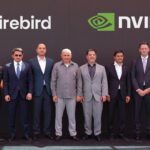
Analyze the original title: "Firebird Launches CIS Region’s Largest AI Factory in Armenia"
- Core message: Firebird (company/entity) is launching a huge AI factory in Armenia, specifically for the CIS region.
- Keywords: Firebird, AI Factory, Armenia, CIS Region, Largest.
- Tone: Factual, corporate.
Understand the target platform: Google Discover
- Characteristics:
- Curiosity-driven.
- Short, catchy.
- Intriguing, often with a "hook."
- Focuses on what’s new, interesting, or impactful.
- Aims to make the user click for more information.
- Often uses questions, strong verbs, or unexpected twists.
- Less formal than a press release.
- Characteristics:
Translate key terms (mentally/quickly):
- Firebird -> Firebird (keep as is, likely a brand name)
- Launches -> Lança, Inaugura
- CIS Region’s Largest -> A maior da região da CEI, A maior da CEI
- AI Factory -> Fábrica de IA, Centro de IA, Polo de IA
- in Armenia -> na Armênia
Brainstorm initial ideas, keeping Google Discover in mind:
- Direct translation (too bland): Firebird Lança a Maior Fábrica de IA da CEI na Armênia. (No curiosity)
- Focus on "largest": A Maior Fábrica de IA da CEI Abre na Armênia! (Better, but still a bit dry)
- Focus on "AI": Armênia Recebe Gigante da IA: A Maior Fábrica da CEI. (Getting closer, adds "gigante")
- Curiosity question: A Armênia É o Novo Polo da IA? Veja a Maior Fábrica da CEI. (Good, but "Veja" might be too informal or like a command)
- Intrigue with impact: Armênia Vira Centro Neural da IA com Nova Super Fábrica. (Stronger verbs, implies significance)
- Direct question + wow factor: Maior Fábrica de IA da CEI É Inaugurada na Armênia. O que isso significa? (A bit long)
- Emphasize scale and location: Armênia Atinge Novo Patamar: Abriga a Maior Fábrica de IA da CEI. (Good, "novo patamar")
- Short, punchy, and intriguing:
- Armênia Surpreende: Lar da Maior Fábrica de IA da CEI.
- O Gigante da IA Nasce na Armênia: A Maior Fábrica da CEI.
- Armênia no Centro das Atenções: Lança a Maior Fábrica de IA da Região.
- IA GIGANTE: Armênia Inaugura a Maior Fábrica da CEI.
Refine and select the best option based on "curto e curioso":
"IA GIGANTE: Armênia Inaugura a Maior Fábrica da CEI."
- "IA GIGANTE" is short, immediately grabs attention, and highlights the scale of AI.
- "Armênia Inaugura" is clear and factual.
- "a Maior Fábrica da CEI" reinforces the unique selling proposition.
- It’s concise and impactful.
Let’s try another angle focusing on Armenia’s unexpected role:
- "Armênia: Novo Berço da IA com a Maior Fábrica da CEI?"
- "Novo Berço da IA" is very curious and suggestive.
- The question mark adds intrigue.
- "com a Maior Fábrica da CEI" explains why.
- This feels very Discover-esque.
- "Armênia: Novo Berço da IA com a Maior Fábrica da CEI?"
Comparing "IA GIGANTE" vs "Armênia: Novo Berço da IA…"
- "IA GIGANTE" is more direct and "newsy."
- "Armênia: Novo Berço da IA…" is more intriguing and invites a click to understand how Armenia becomes a "berço" (cradle) for such a thing. The question mark is a strong Discover hook.
- Let’s try one more emphasizing the surprise factor.
- "Surpresa: A Maior Fábrica de IA da CEI Nasce na Armênia!"
- "Surpresa" is a great hook.
- "Nasce" is more evocative than "inaugura."
- It’s short and exciting.
- "Surpresa: A Maior Fábrica de IA da CEI Nasce na Armênia!"
Final decision: The option "Surpresa: A Maior Fábrica de IA da CEI Nasce na Armênia!" hits all the points:
- Curioso: "Surpresa" immediately makes you wonder why it’s a surprise and what it is. "Nasce" adds a sense of something new and significant emerging.
- Curto: It’s concise.
- Impacto: Highlights "Maior Fábrica de IA."
- Localização: Clearly states "na Armênia."
This is stronger than the question mark option, as it delivers a mini-revelation upfront. "IA GIGANTE: Armênia Inaugura a Maior Fábrica da CEI" is also good, but "Surpresa" has a stronger emotional hook.
Let’s go with the one that leads with "Surpresa." It’s direct, unexpected, and curiosity-provoking.
One final check: "Firebird" is not in my chosen title. Is that okay for Discover? Often, Discover titles omit company names unless the company itself is the story (e.g., "Apple Lança…"). Here, the story is the factory and its scale/location, not Firebird specifically. So, omitting the company name is fine for a broad, curious Discover audience.
Surpresa: A Maior Fábrica de IA da CEI Nasce na Armênia!

THINK The user wants me to rewrite a title in Portuguese for Google Discover. The original title is: "Experts warn 2.2 million cars could be at risk of hijacking via Bluetooth" The requirements are:
- Short
- Curious
- Return ONLY the final title text. No intros, no lists.
Let’s break down the original title’s core message:
- Who: Experts
- What: Warning about cars at risk
- How many: 2.2 million
- Risk: Hijacking
- Method: Via Bluetooth
Google Discover titles need to grab attention quickly. They often use questions, strong verbs, or create a sense of urgency/mystery.
Ideas:
- Focus on the vulnerability/risk directly: "Seu carro pode ser hackeado via Bluetooth?" (Is your car hackable via Bluetooth?) – Short, question, curious.
- Focus on the number and danger: "Milhões de carros em risco: O perigo Bluetooth." (Millions of cars at risk: The Bluetooth danger.) – Short, highlights scale, points to the method as the danger.
- More dramatic, direct threat: "Alerta: Carros podem ser roubados via Bluetooth!" (Alert: Cars can be stolen via Bluetooth!) – "Roubados" (stolen) is more impactful than "hijacked" in this context for Discover.
- Emphasize the hidden danger: "O perigo invisível: Seu carro vulnerável ao Bluetooth?" (The invisible danger: Your car vulnerable to Bluetooth?) – A bit longer, but "invisible danger" is good.
- Direct question about user’s car: "Seu carro está seguro? Hackers miram Bluetooth." (Is your car safe? Hackers target Bluetooth.) – Short, direct question.
Let’s evaluate for "short and curious":
"Seu carro pode ser hackeado via Bluetooth?"
- Short: Yes.
- Curious: Yes, it makes you wonder about your car.
"Milhões de carros em risco: O perigo Bluetooth."
- Short: Yes.
- Curious: Yes, "o perigo Bluetooth" is intriguing.
"Alerta: Carros podem ser roubados via Bluetooth!"
- Short: Yes.
- Curious: Yes, alarming and makes you want to know how.
"O perigo invisível: Seu carro vulnerável ao Bluetooth?"
- Short: A bit longer, but still manageable.
- Curious: Yes, "perigo invisível" and the question.
- "Seu carro está seguro? Hackers miram Bluetooth."
- Short: Yes.
- Curious: Yes, direct question.
I need to choose one and make sure it’s APENAS o texto.
Let’s go for something direct, impactful, and clearly implies a personal risk for the reader.
"Seu carro pode ser hackeado via Bluetooth?"
- Hits "short"
- Hits "curious" (raises a direct question to the reader)
- Uses "hackeado" which is very common and understood.
- Mentions "Bluetooth", the method.
Another strong option: "Alerta: Seu carro pode ser roubado via Bluetooth."
- "Alerta" (alert) adds urgency.
- "Roubado" (stolen) is a very strong, understood consequence of "hijacking".
- "Seu carro" personalizes it.
- "via Bluetooth" explains the mechanism.
- Short and curious.
I think "Alerta: Seu carro pode ser roubado via Bluetooth." is slightly stronger than the question for Discover, as it presents a direct warning, which often performs well. The question mark might make it sound too speculative. The exclamation mark in "Alerta!" adds to the urgency.
Let’s try to make it even more concise if possible. "Seu carro em risco: O ataque Bluetooth." (Your car at risk: The Bluetooth attack.)
- Short: Yes.
- Curious: Yes, "ataque Bluetooth" is intriguing.
"Perigo Bluetooth: Seu carro pode ser hackeado." (Bluetooth Danger: Your car can be hacked.)
- Short: Yes.
- Curious: Yes, direct threat.
"Milhões de carros em risco: O que o Bluetooth esconde?" (Millions of cars at risk: What does Bluetooth hide?)
- Longer, but "o que o Bluetooth esconde?" is very curious.
Let’s stick to the core "hijacking/hacking" idea and make it personal. "Seu carro pode ser hackeado via Bluetooth?" is good. "Alerta: Carros podem ser roubados via Bluetooth." is also good.
The original "hijacking" implies taking control, which "hackeado" (hacked) covers well. "Roubado" (stolen) is a consequence of hijacking, but "hackeado" is more precise to the technical aspect.
Let’s go with a direct, personal question. Questions often drive clicks on Discover.
"Seu carro pode ser hackeado via Bluetooth?" It’s short, directly addresses the reader, and uses a tech term that’s widely understood. It creates immediate curiosity.
Final check:
- Portuguese: Yes
- Google Discover: Yes (short, curious, direct)
- Short: Yes
- Curious: Yes (question form)
- Return ONLY the text: Yes
One last alternative: "Hackers podem roubar seu carro via Bluetooth?" – also good. But "Seu carro pode ser hackeado via Bluetooth?" sounds a bit more natural and less like a direct accusation to "hackers". It focuses on the car’s vulnerability.
Let’s go with "Seu carro pode ser hackeado via Bluetooth?". It’s concise and impactful.Seu carro pode ser hackeado via Bluetooth?
 Liquid AI: IA gigante que roda leve no seu celular!