
THINKING PROCESS:


Analyze the original title: "Anthropic Releases FlashProve: Cryptographic Proofs That a Reply Came From Committed Weights"

Core message 1: Anthropic (a known AI company, important context)
Core message 2: Releases FlashProve (the product name)
Core message 3: FlashProve's function: "Cryptographic Proofs That a Reply Came From Committed Weights" (highly technical, dense).

Simplified function: Verifying AI responses.
Keyword: "cryptographic proofs" -> security, authenticity, trust.
Keyword: "committed weights" -> model integrity, AI model.


Analyze the target platform: Google Discover

Short: Maximize impact with minimal words.
Curious: Intrigue, make people want to click.
In Português: Translate and adapt cultural nuances if any (though for tech, direct translation often works).
Focus: What's the benefit or implication for the user? Why should they care?


Brainstorm keywords/concepts in Portuguese:

FlashProve (name stays)
Anthropic (name stays)
Provas criptográficas -> Provas criptográficas, autenticidade, segurança, verificação, confiança.
Resposta de pesos comprometidos -> Resposta de IA, modelo de IA, integridade da IA, "se a IA é real", "se a IA não mente".
Curiosity angle: O que é isso? Para que serve? Qual o impacto? Segurança? Verdade?


Drafting - Attempt 1 (Direct + Curiosity):

FlashProve da Anthropic: Prova a verdade da IA? (A bit too direct, maybe?)
Anthropic lança FlashProve: Sua IA é real? (Okay, but "real" might be too broad).


Drafting - Attempt 2 (Focus on "proof" and "AI"):

FlashProve da Anthropic: Saiba se a IA está mentindo. (Too informal, "mentindo" is strong).
FlashProve: A nova prova criptográfica da Anthropic para a IA. (A bit dry, not super curious).
Anthropic lança FlashProve: Desvende a autenticidade da IA. (Better, "desvende" is curious).


Drafting - Attempt 3 (Shorten, add intrigue, keep core idea):

What's the biggest impact of cryptographic proofs for AI responses? Trust, verification, knowing it came from the intended model.
"Sua IA é quem diz ser?" -> Good, uses "quem diz ser" (who it says it is) for a personification of AI, which is intriguing.
"Anthropic lança FlashProve:" -> A bit long. Let's make it more active.


Drafting - Attempt 4 (Focus on the what and why it matters):

"FlashProve: A prova criptográfica que verifica a IA." (A bit dry).
"FlashProve da Anthropic: Confiança na IA, provada." (Getting closer, "provada" is key).
"A Anthropic agora prova a IA com FlashProve." (Still not super curious).
What about the mystery or reveal?
"FlashProve: A Anthropic tem como provar a IA." (Slightly better).
Let's use a question to pique curiosity.


Drafting - Attempt 5 (Question + Benefit):

"Sua IA é autêntica? FlashProve da Anthropic responde." (Good, but "autêntica" is a bit generic).
"FlashProve: A Anthropic garante a verdade da IA?" (A bit like a question for the company, not the reader).
"FlashProve: Como a Anthropic vai PROVAR a IA?" (Stronger, "PROVAR" is key).
Can we make it even shorter and punchier?


Final Approach - Combine core benefit (proof/trust) with curiosity:

"FlashProve: A Anthropic vai provar que sua IA não mente." (Too strong with "não mente").
"FlashProve: A Anthropic vai provar a autenticidade da IA." (Good, but a bit long).
"FlashProve: A prova de que sua IA é real." (Again, "real" is a bit vague).
What if we focus on the verifiability of the AI itself?
"FlashProve: A Anthropic PROVA sua IA." (Very short, emphasizes "prova").
Add a question to it: "FlashProve: A Anthropic PROVA sua IA. Como?" (Still a bit clunky).


Re-evaluate Discover goals: Short, curious.

Focus on the action and the impact.
"Anthropic lança FlashProve: confie na IA?" (A good question).
"FlashProve: A Anthropic prova o que a IA diz." (Close).
How about a direct question about your interaction with AI?
"Sua IA é confiável? A Anthropic tem a prova." -> Very good. Short, direct, poses a problem and offers a solution. "A prova" directly refers to FlashProve.


Refinement of "Sua IA é confiável? A Anthropic tem a prova."

"Confiável" perfectly encapsulates "cryptographic proofs" regarding AI.
"A Anthropic tem a prova" is concise and clearly refers to FlashProve without needing to name it, relying on the company name to carry the weight.
It's short, poses a question, and offers an immediate intriguing answer.


Consider other options:

"FlashProve: A Anthropic prova a IA é quem diz ser?" (A bit clunky)
"A Anthropic e o FlashProve: Fim das dúvidas sobre a IA." (Good, but "fim das dúvidas" might be too strong).
"FlashProve da Anthropic: A prova que sua IA é autêntica." (Good, but "autêntica" is less engaging than "confiável").


Final check: "Sua IA é confiável? A Anthropic tem a prova."

Short: Yes.
Curious: Yes, it asks a direct question relevant to users of AI.
Portuguese: Yes.
Captures essence: Yes, "confiável" and "prova" relate directly to the core function.
No intro/lists: Yes, just the text.


This feels like the strongest option.
The original title's core idea is about verifying the source of the AI's reply ("came from committed weights"). This translates to verifying its integrity or trustworthiness.
"Sua IA é confiável?" -> Direct question about integrity/trust.
"A Anthropic tem a prova." -> Direct answer, implying FlashProve is that proof.Sua IA é confiável? A Anthropic tem a prova.
Notícias

THINKING PROCESS:

  1. Analyze the original title: "Anthropic Releases FlashProve: Cryptographic Proofs That a Reply Came From Committed Weights"

    • Core message 1: Anthropic (a known AI company, important context)
    • Core message 2: Releases FlashProve (the product name)
    • Core message 3: FlashProve’s function: "Cryptographic Proofs That a Reply Came From Committed Weights" (highly technical, dense).
      • Simplified function: Verifying AI responses.
      • Keyword: "cryptographic proofs" -> security, authenticity, trust.
      • Keyword: "committed weights" -> model integrity, AI model.
  2. Analyze the target platform: Google Discover

    • Short: Maximize impact with minimal words.
    • Curious: Intrigue, make people want to click.
    • In Português: Translate and adapt cultural nuances if any (though for tech, direct translation often works).
    • Focus: What’s the benefit or implication for the user? Why should they care?
  3. Brainstorm keywords/concepts in Portuguese:

    • FlashProve (name stays)
    • Anthropic (name stays)
    • Provas criptográficas -> Provas criptográficas, autenticidade, segurança, verificação, confiança.
    • Resposta de pesos comprometidos -> Resposta de IA, modelo de IA, integridade da IA, "se a IA é real", "se a IA não mente".
    • Curiosity angle: O que é isso? Para que serve? Qual o impacto? Segurança? Verdade?
  4. Drafting – Attempt 1 (Direct + Curiosity):

    • FlashProve da Anthropic: Prova a verdade da IA? (A bit too direct, maybe?)
    • Anthropic lança FlashProve: Sua IA é real? (Okay, but "real" might be too broad).
  5. Drafting – Attempt 2 (Focus on "proof" and "AI"):

    • FlashProve da Anthropic: Saiba se a IA está mentindo. (Too informal, "mentindo" is strong).
    • FlashProve: A nova prova criptográfica da Anthropic para a IA. (A bit dry, not super curious).
    • Anthropic lança FlashProve: Desvende a autenticidade da IA. (Better, "desvende" is curious).
  6. Drafting – Attempt 3 (Shorten, add intrigue, keep core idea):

    • What’s the biggest impact of cryptographic proofs for AI responses? Trust, verification, knowing it came from the intended model.
    • "Sua IA é quem diz ser?" -> Good, uses "quem diz ser" (who it says it is) for a personification of AI, which is intriguing.
    • "Anthropic lança FlashProve:" -> A bit long. Let’s make it more active.
  7. Drafting – Attempt 4 (Focus on the what and why it matters):

    • "FlashProve: A prova criptográfica que verifica a IA." (A bit dry).
    • "FlashProve da Anthropic: Confiança na IA, provada." (Getting closer, "provada" is key).
    • "A Anthropic agora prova a IA com FlashProve." (Still not super curious).
    • What about the mystery or reveal?
    • "FlashProve: A Anthropic tem como provar a IA." (Slightly better).
    • Let’s use a question to pique curiosity.
  8. Drafting – Attempt 5 (Question + Benefit):

    • "Sua IA é autêntica? FlashProve da Anthropic responde." (Good, but "autêntica" is a bit generic).
    • "FlashProve: A Anthropic garante a verdade da IA?" (A bit like a question for the company, not the reader).
    • "FlashProve: Como a Anthropic vai PROVAR a IA?" (Stronger, "PROVAR" is key).
    • Can we make it even shorter and punchier?
  9. Final Approach – Combine core benefit (proof/trust) with curiosity:

    • "FlashProve: A Anthropic vai provar que sua IA não mente." (Too strong with "não mente").
    • "FlashProve: A Anthropic vai provar a autenticidade da IA." (Good, but a bit long).
    • "FlashProve: A prova de que sua IA é real." (Again, "real" is a bit vague).
    • What if we focus on the verifiability of the AI itself?
    • "FlashProve: A Anthropic PROVA sua IA." (Very short, emphasizes "prova").
    • Add a question to it: "FlashProve: A Anthropic PROVA sua IA. Como?" (Still a bit clunky).
  10. Re-evaluate Discover goals: Short, curious.

    • Focus on the action and the impact.
    • "Anthropic lança FlashProve: confie na IA?" (A good question).
    • "FlashProve: A Anthropic prova o que a IA diz." (Close).
    • How about a direct question about your interaction with AI?
    • "Sua IA é confiável? A Anthropic tem a prova." -> Very good. Short, direct, poses a problem and offers a solution. "A prova" directly refers to FlashProve.
  11. Refinement of "Sua IA é confiável? A Anthropic tem a prova."

    • "Confiável" perfectly encapsulates "cryptographic proofs" regarding AI.
    • "A Anthropic tem a prova" is concise and clearly refers to FlashProve without needing to name it, relying on the company name to carry the weight.
    • It’s short, poses a question, and offers an immediate intriguing answer.
  12. Consider other options:

    • "FlashProve: A Anthropic prova a IA é quem diz ser?" (A bit clunky)
    • "A Anthropic e o FlashProve: Fim das dúvidas sobre a IA." (Good, but "fim das dúvidas" might be too strong).
    • "FlashProve da Anthropic: A prova que sua IA é autêntica." (Good, but "autêntica" is less engaging than "confiável").
  13. Final check: "Sua IA é confiável? A Anthropic tem a prova."
    • Short: Yes.
    • Curious: Yes, it asks a direct question relevant to users of AI.
    • Portuguese: Yes.
    • Captures essence: Yes, "confiável" and "prova" relate directly to the core function.
    • No intro/lists: Yes, just the text.

This feels like the strongest option.

The original title’s core idea is about verifying the source of the AI’s reply ("came from committed weights"). This translates to verifying its integrity or trustworthiness.

"Sua IA é confiável?" -> Direct question about integrity/trust. "A Anthropic tem a prova." -> Direct answer, implying FlashProve is that proof.Sua IA é confiável? A Anthropic tem a prova.

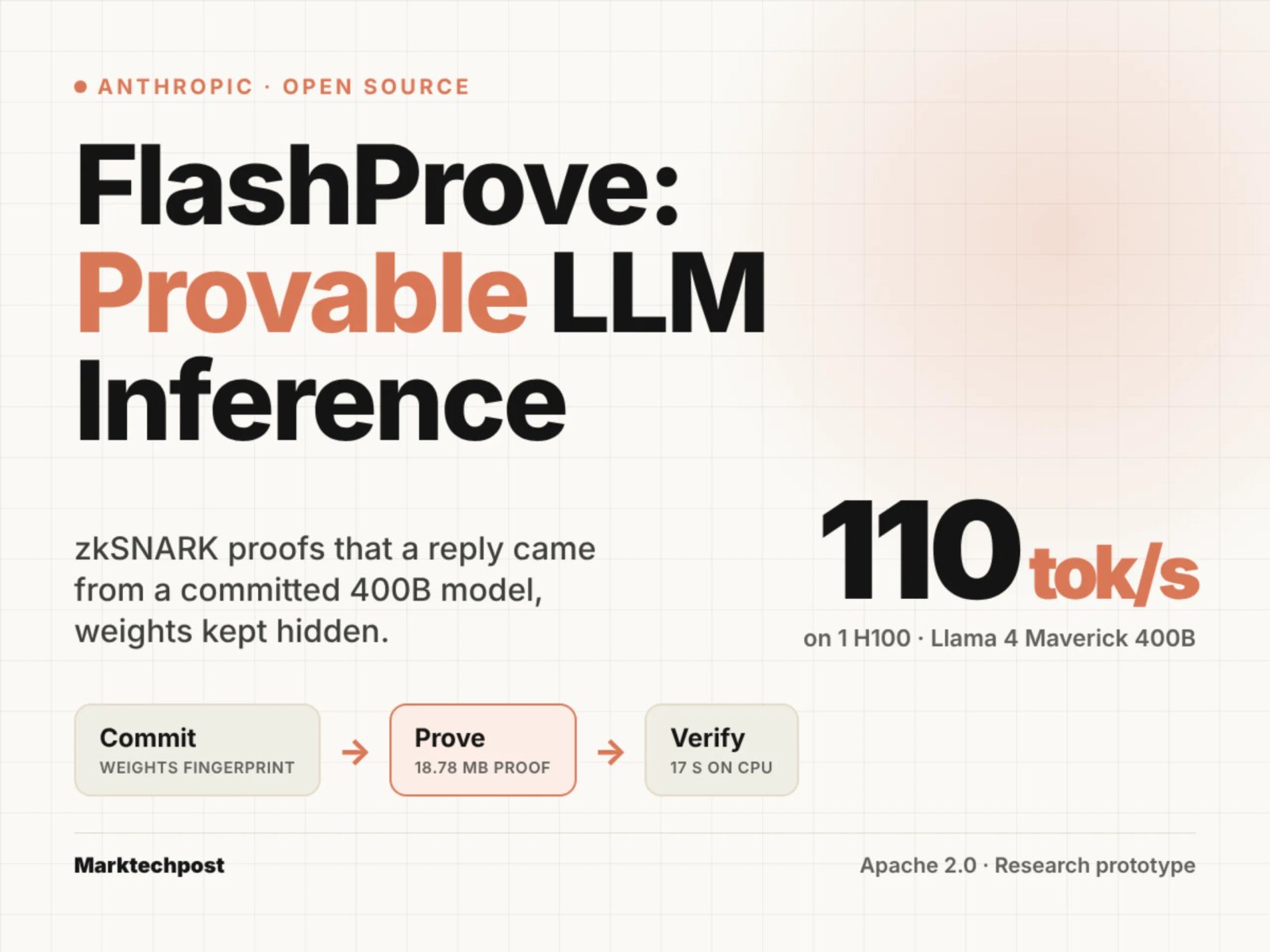
ADEUS ÀS IAs FALSAS! Anthropic Lança o FlashProve e Você NUNCA MAIS SERÁ ENGANADO! Olá, pessoal! Aqui é o Lucas Tech, e hoje eu trago uma notícia que vai mudar a sua percepção sobre a inteligência artificial. Sabe aquela sensação de não ter certeza se a resposta que você recebeu
Leia Mais »
THINKING PROCESS:


Analyze the original title: "iPhone Duo screen cracks: Serious issue or overblown? What we know"

Core subject: iPhone Duo screen (presumably a dual-screen or foldable iPhone concept/leak, given "Duo screen").
Core problem: Cracks.
Central question/conflict: Is it serious or overblown?
Implied promise: Information ("What we know").
Target audience: Tech enthusiasts, potential iPhone buyers, general public interested in Apple news.


Understand the target platform: Google Discover.

Characteristics: Visual, bite-sized, engaging, trending topics, often curiosity-driven, short, direct, often uses numbers/questions/intrigue.
Goal: Make the user click.


Identify key constraints from the prompt:

Language: Portuguese.
Tone: Short and curious.
Output: ONLY the final title text.


Brainstorm Portuguese equivalents for key concepts:

"iPhone Duo screen" -> "Tela dupla do iPhone", "iPhone dobrável" (if it's a foldable), "iPhone de duas telas". "Duo screen" is a bit clunky in PT. "Tela dobrável" or "novo iPhone" + "tela" + "rachaduras" is better. Let's assume "Duo screen" refers to a new or specific type of iPhone screen that's two screens or folds. "iPhone dobrável" is the most likely interpretation that immediately brings "two screens" or "folding" to mind for many.
"Cracks" -> "Rachaduras", "Trincas", "Quebras". "Rachaduras" is most common and direct.
"Serious issue" -> "Problema grave", "Grave falha", "Sério?", "Preocupante?".
"Overblown" -> "Exagero?", "Drama?", "Exagerado?", "Nem tanto?".
"What we know" -> "O que se sabe", "Entenda", "Detalhes", "A verdade".


Develop initial Portuguese title ideas, focusing on "short and curious":


Direct translation attempt (too long/formal): Rachaduras na tela do iPhone Duo: Problema grave ou exagero? O que sabemos. (Too long, not punchy enough for Discover)


Focus on the problem and question:

Tela dupla do iPhone racha: É grave?
Rachaduras no iPhone dobrável: Um erro sério?
iPhone de duas telas quebra: O que acontece?
Novo iPhone racha: Falha ou pânico?


Inject more curiosity/urgency:

iPhone dobrável trinca: O que está rolando?
A tela do iPhone Duo racha? Entenda o dilema!
Rachaduras no iPhone: É o fim da linha? (A bit too dramatic maybe)
iPhone com tela rachada: É um problema para valer? (A bit colloquial)


Refine for "Discover" style:

Short: Aim for 5-7 words, maximum 10.
Curious: Use questions, strong verbs, hint at an answer without giving it away.
Intrigue: Make the user want to know why or what.
Specificity: Keep "iPhone" and "rachaduras" (cracks). "Duo screen" can be simplified to "tela dupla" or implied by the context if it's about a foldable. "iPhone dobrável" is a good proxy for "Duo screen" if it implies a specific new form factor that might have screen issues.


Select the best candidates and test them against the criteria:


"iPhone dobrável racha: Problema grave ou drama?"

Pros: Short, question, "drama" is curious. "Dobrável" is a good substitute for "Duo screen" and implies the potential for cracking.
Cons: "Drama" might be slightly informal for some contexts, but works for Discover.


"Tela do iPhone racha: Falha séria ou exagero?"

Pros: Direct, short, clear question.
Cons: "Tela do iPhone" is less specific than "dobrável" or "dupla". "Duo screen" implies a specific new screen type.


"iPhone Duo racha: É o fim ou boato?"

Pros: Very short, uses "Duo", strong question.
Cons: "Fim" might be too extreme. "Boato" isn't quite the same as "overblown".


"iPhone dobrável trinca: Pânico ou realidade?"

Pros: "Trinca" is good, "Pânico ou realidade" is a strong curiosity driver.
Cons: "Trinca" is less common than "racha" or "rachadura" for screen issues.


Let's go back to the core conflict: Serious vs. Overblown.

"Grave ou exagero?" is the most direct translation for the conflict.
Combine it with the core subject: "iPhone dobrável" (assuming this is the context of "Duo screen" and its potential for cracking).


"iPhone dobrável racha: Grave ou exagero?"

Pros: Very short (6 words), uses "dobrável" (specific), "racha" (problem), "Grave ou exagero?" (curiosity, conflict). Hits all points.


Alternative focusing on the "what we know" implicitly:

"Rachaduras no iPhone dobrável: O que você precisa saber." (A bit less curious, more informative)
"iPhone racha: É o fim da tela dupla?" (More dramatic, good for Discover) - but the original was "serious or overblown", not "is it the end?".


The "serious or overblown" aspect is key to the original. "Grave ou exagero?" captures that perfectly.


Final check: "iPhone dobrável racha: Grave ou exagero?"

Portuguese? Yes.
Google Discover style? Yes (short, curious, question, conflict).
Short? Yes (6 words).
Curious? Yes (poses a dilemma).
ONLY the text? Yes.
Captures the essence of the original? Yes, by translating the core problem and the "serious vs. overblown" question. "iPhone dobrável" is a strong interpretation of "iPhone Duo screen" in the context of cracking issues.


This seems like the strongest candidate.iPhone dobrável racha: Grave ou exagero?
Notícias

THINKING PROCESS:

  1. Analyze the original title: "iPhone Duo screen cracks: Serious issue or overblown? What we know"

    • Core subject: iPhone Duo screen (presumably a dual-screen or foldable iPhone concept/leak, given "Duo screen").
    • Core problem: Cracks.
    • Central question/conflict: Is it serious or overblown?
    • Implied promise: Information ("What we know").
    • Target audience: Tech enthusiasts, potential iPhone buyers, general public interested in Apple news.
  2. Understand the target platform: Google Discover.

    • Characteristics: Visual, bite-sized, engaging, trending topics, often curiosity-driven, short, direct, often uses numbers/questions/intrigue.
    • Goal: Make the user click.
  3. Identify key constraints from the prompt:

    • Language: Portuguese.
    • Tone: Short and curious.
    • Output: ONLY the final title text.
  4. Brainstorm Portuguese equivalents for key concepts:

    • "iPhone Duo screen" -> "Tela dupla do iPhone", "iPhone dobrável" (if it’s a foldable), "iPhone de duas telas". "Duo screen" is a bit clunky in PT. "Tela dobrável" or "novo iPhone" + "tela" + "rachaduras" is better. Let’s assume "Duo screen" refers to a new or specific type of iPhone screen that’s two screens or folds. "iPhone dobrável" is the most likely interpretation that immediately brings "two screens" or "folding" to mind for many.
    • "Cracks" -> "Rachaduras", "Trincas", "Quebras". "Rachaduras" is most common and direct.
    • "Serious issue" -> "Problema grave", "Grave falha", "Sério?", "Preocupante?".
    • "Overblown" -> "Exagero?", "Drama?", "Exagerado?", "Nem tanto?".
    • "What we know" -> "O que se sabe", "Entenda", "Detalhes", "A verdade".
  5. Develop initial Portuguese title ideas, focusing on "short and curious":

    • Direct translation attempt (too long/formal): Rachaduras na tela do iPhone Duo: Problema grave ou exagero? O que sabemos. (Too long, not punchy enough for Discover)

    • Focus on the problem and question:

      • Tela dupla do iPhone racha: É grave?
      • Rachaduras no iPhone dobrável: Um erro sério?
      • iPhone de duas telas quebra: O que acontece?
      • Novo iPhone racha: Falha ou pânico?
    • Inject more curiosity/urgency:
      • iPhone dobrável trinca: O que está rolando?
      • A tela do iPhone Duo racha? Entenda o dilema!
      • Rachaduras no iPhone: É o fim da linha? (A bit too dramatic maybe)
      • iPhone com tela rachada: É um problema para valer? (A bit colloquial)
  6. Refine for "Discover" style:

    • Short: Aim for 5-7 words, maximum 10.
    • Curious: Use questions, strong verbs, hint at an answer without giving it away.
    • Intrigue: Make the user want to know why or what.
    • Specificity: Keep "iPhone" and "rachaduras" (cracks). "Duo screen" can be simplified to "tela dupla" or implied by the context if it’s about a foldable. "iPhone dobrável" is a good proxy for "Duo screen" if it implies a specific new form factor that might have screen issues.
  7. Select the best candidates and test them against the criteria:

    • "iPhone dobrável racha: Problema grave ou drama?"

      • Pros: Short, question, "drama" is curious. "Dobrável" is a good substitute for "Duo screen" and implies the potential for cracking.
      • Cons: "Drama" might be slightly informal for some contexts, but works for Discover.
    • "Tela do iPhone racha: Falha séria ou exagero?"

      • Pros: Direct, short, clear question.
      • Cons: "Tela do iPhone" is less specific than "dobrável" or "dupla". "Duo screen" implies a specific new screen type.
    • "iPhone Duo racha: É o fim ou boato?"

      • Pros: Very short, uses "Duo", strong question.
      • Cons: "Fim" might be too extreme. "Boato" isn’t quite the same as "overblown".
    • "iPhone dobrável trinca: Pânico ou realidade?"

      • Pros: "Trinca" is good, "Pânico ou realidade" is a strong curiosity driver.
      • Cons: "Trinca" is less common than "racha" or "rachadura" for screen issues.
    • Let’s go back to the core conflict: Serious vs. Overblown.

      • "Grave ou exagero?" is the most direct translation for the conflict.
      • Combine it with the core subject: "iPhone dobrável" (assuming this is the context of "Duo screen" and its potential for cracking).
    • "iPhone dobrável racha: Grave ou exagero?"

      • Pros: Very short (6 words), uses "dobrável" (specific), "racha" (problem), "Grave ou exagero?" (curiosity, conflict). Hits all points.
    • Alternative focusing on the "what we know" implicitly:

      • "Rachaduras no iPhone dobrável: O que você precisa saber." (A bit less curious, more informative)
      • "iPhone racha: É o fim da tela dupla?" (More dramatic, good for Discover) – but the original was "serious or overblown", not "is it the end?".
    • The "serious or overblown" aspect is key to the original. "Grave ou exagero?" captures that perfectly.
  8. Final check: "iPhone dobrável racha: Grave ou exagero?"
    • Portuguese? Yes.
    • Google Discover style? Yes (short, curious, question, conflict).
    • Short? Yes (6 words).
    • Curious? Yes (poses a dilemma).
    • ONLY the text? Yes.
    • Captures the essence of the original? Yes, by translating the core problem and the "serious vs. overblown" question. "iPhone dobrável" is a strong interpretation of "iPhone Duo screen" in the context of cracking issues.

This seems like the strongest candidate.iPhone dobrável racha: Grave ou exagero?

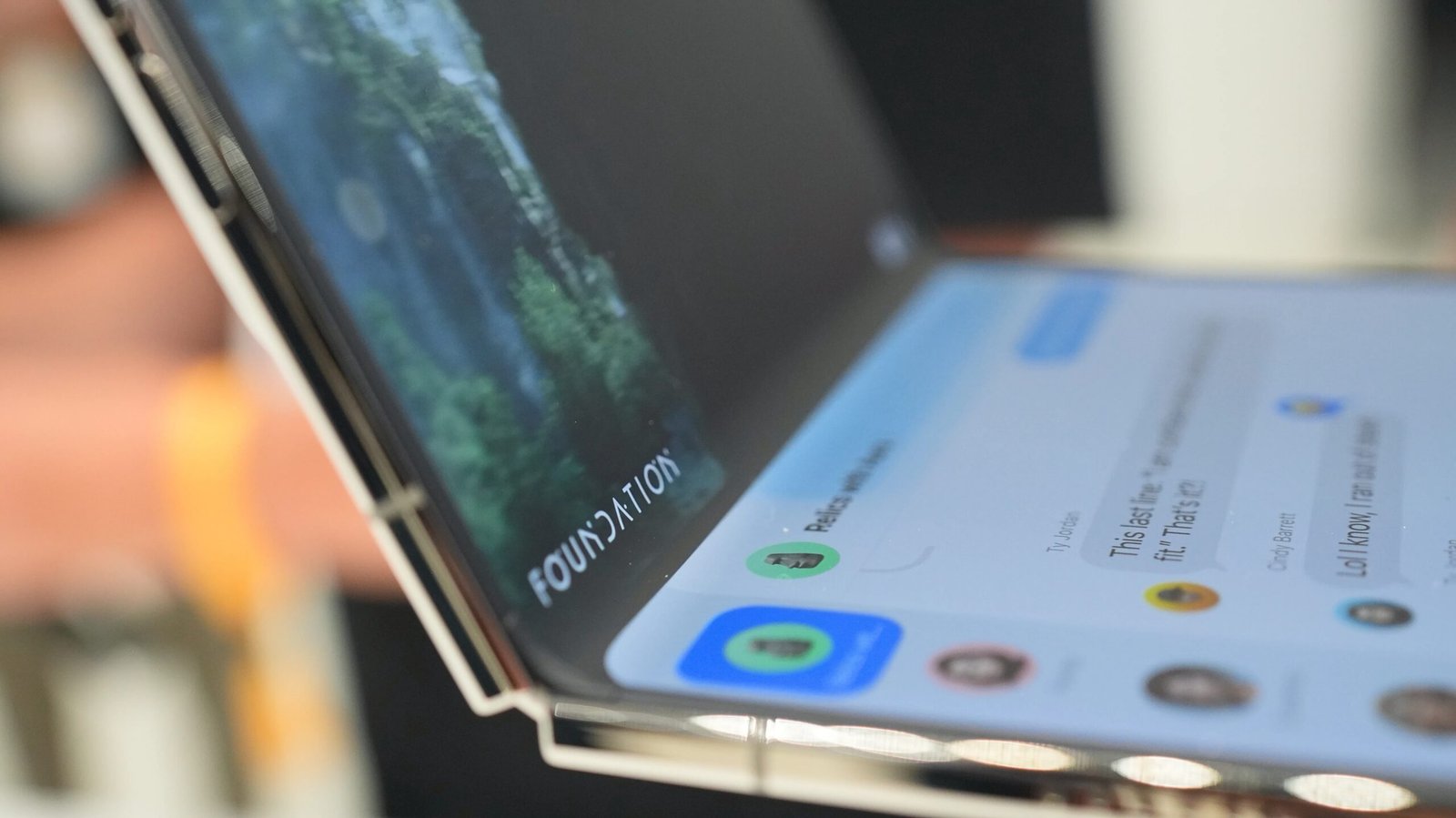
Seu iPhone Duo Recém-Comprado QUEBROU? Calma, a Apple Tem Algo a Dizer! 📱💥 Olá, pessoal! Aqui é o Lucas Tech, e tô na área pra falar sobre um assunto que tá deixando muita gente de cabelo em pé e, sinceramente, eu tô de olho desde que a notícia começou a

Leia Mais »

Categorias

BITS GENIAIS é o seu portal para o futuro da inteligência artificial, tecnologia e produtividade.

Destaques

Rolar para cima
Tutorial Elevenlabs