

THINKING PROCESS:


Analyze the original title: "Meet Facebook's Your Algorithm: How Meta Turns Plain-Language Preferences Into Ranking"

Core subject: Facebook/Meta's algorithm.
Key insight: It takes your language/preferences and uses them for ranking.
Tone: Informative, slightly complex, a bit academic.
Keywords: Facebook, Meta, algorithm, preferences, ranking.


Understand the target platform: Google Discover.

Characteristics: Visual, bite-sized, engaging, curiosity-driven, highly personalized, often uses active voice, questions, or direct calls to action.
Goal: Make users stop scrolling and tap.
Constraints: Short, catchy, curious. No long explanations.


Identify "Discovery" elements:

Curiosity gap: Something that makes you want to know more.
Personal relevance: How does it affect me? (The "Your" in the original is good for this).
Surprise/Revelation: "You thought X, but actually Y!"
Intrigue: Hint at a secret or hidden mechanism.


Translate core concepts into Portuguese:

"Meet Facebook's Your Algorithm" -> "Conheça o seu algoritmo do Facebook" (too long, not punchy enough)
"How Meta Turns Plain-Language Preferences Into Ranking" -> "Como a Meta transforma preferências em ranking" (still too literal/boring)


Brainstorm Portuguese alternatives focusing on Discover's needs:


Focus on "Your Algorithm":

"Seu algoritmo no Facebook: Como funciona?" (A bit plain)
"O algoritmo da Meta: Ele te conhece?" (Getting warmer, personal, question)
"O algoritmo é você: Meta te ranqueia assim!" (More provocative)
"Seu texto vira ranking: O segredo da Meta." (Hints at a secret)


Focus on "Preferences into Ranking":

"Suas palavras viram ranking na Meta?" (Question, direct)
"Como a Meta usa suas palavras para te ranquear." (Too long)
"O segredo do algoritmo: Suas preferências moldam seu feed." (Good, but maybe shorter)


Combine and refine for curiosity/shortness:

"Meta te lê: Seu algoritmo por dentro." (Good, short, implies reading your thoughts/words)
"Seu algoritmo secreto: Como a Meta te ranqueia." (Adding "secreto" enhances curiosity)
"Meta: Seu texto vira ranking. Descubra como." (More direct, but "descubra como" might be slightly too generic for Discover unless very short)
"O algoritmo da Meta: Ele te ouve? E ranqueia?" (Question, personal, a bit long)


Select the best option(s) based on strict criteria: "curto e curioso," only the title text.


"Meta te lê: Seu algoritmo pessoal."

"Meta te lê" is punchy, intriguing, implies the "plain-language preferences" part without being explicit.
"Seu algoritmo pessoal" brings back the "your algorithm" and makes it highly relevant.
Short, curious, personal.


Alternative: "Seu algoritmo na Meta: Ele te ranqueia assim."

"Ele te ranqueia assim" creates a curiosity gap: how exactly?
Personal ("seu", "te").
Short.


Let's try to combine the best elements: the "reading" aspect (preferences) and the "ranking" aspect, in a short, personal way.


"Meta te lê? Seu algoritmo secreto."

Question mark adds intrigue.
"Te lê" hints at the "plain-language preferences."
"Seu algoritmo secreto" adds personal relevance and a curiosity gap ("secret").
This feels very Discover-like. It's concise, direct, and makes you wonder how Meta reads you and what the "secret" is.


Another strong contender: "Meta te ranqueia: A lógica do seu algoritmo."

Direct statement "Meta te ranqueia" (Meta ranks you).
"A lógica do seu algoritmo" (The logic of your algorithm) creates a curiosity gap – you want to know this logic.
Personal ("seu").
Short, clear, intriguing.


Let's go for maximum punch and curiosity:
"Meta te lê: Seu algoritmo secreto."
This is short, impactful, directly references the core idea (reading preferences), and uses "secreto" to drive curiosity.


Final check:

Portugues: Yes.
Google Discover: Yes (short, curious, personal).
Curto: Yes.
Curioso: Yes ("te lê," "secreto").
APENAS o texto do título final: Yes.


The initial thought of "Meta te lê: Seu algoritmo pessoal" is good.
The addition of "secreto" in "Meta te lê? Seu algoritmo secreto" boosts the curiosity. Let's make it a statement, not a question, for more direct impact.
"Meta te lê: O segredo do seu algoritmo."

"Meta te lê" - Direct, hints at preferences.
"O segredo do seu algoritmo" - Curiosity gap, personal, hints at the "how."

This feels very strong for Discover.
Let's consider one more iteration for ultimate conciseness and punch.
The original mentioned "ranking." So let's ensure that's there, even implicitly.
"Meta te ranqueia: Seu algoritmo secreto."

"Meta te ranqueia" - Directly addresses the "ranking" part. Very impactful.
"Seu algoritmo secreto" - Personal, curious, highlights the hidden mechanism.

This is excellent. Short, direct, personal, and creates a clear curiosity gap about how it ranks you and what its "secret" is.
One last check: Does "secreto" fit well with "plain-language preferences"? Yes, because the mechanism of how those preferences turn into ranking is the "secret."
Final choice: "Meta te ranqueia: Seu algoritmo secreto."Meta te ranqueia: Seu algoritmo secreto.
Notícias

THINKING PROCESS:

  1. Analyze the original title: "Meet Facebook’s Your Algorithm: How Meta Turns Plain-Language Preferences Into Ranking"

    • Core subject: Facebook/Meta’s algorithm.
    • Key insight: It takes your language/preferences and uses them for ranking.
    • Tone: Informative, slightly complex, a bit academic.
    • Keywords: Facebook, Meta, algorithm, preferences, ranking.
  2. Understand the target platform: Google Discover.

    • Characteristics: Visual, bite-sized, engaging, curiosity-driven, highly personalized, often uses active voice, questions, or direct calls to action.
    • Goal: Make users stop scrolling and tap.
    • Constraints: Short, catchy, curious. No long explanations.
  3. Identify "Discovery" elements:

    • Curiosity gap: Something that makes you want to know more.
    • Personal relevance: How does it affect me? (The "Your" in the original is good for this).
    • Surprise/Revelation: "You thought X, but actually Y!"
    • Intrigue: Hint at a secret or hidden mechanism.
  4. Translate core concepts into Portuguese:

    • "Meet Facebook’s Your Algorithm" -> "Conheça o seu algoritmo do Facebook" (too long, not punchy enough)
    • "How Meta Turns Plain-Language Preferences Into Ranking" -> "Como a Meta transforma preferências em ranking" (still too literal/boring)
  5. Brainstorm Portuguese alternatives focusing on Discover’s needs:

    • Focus on "Your Algorithm":

      • "Seu algoritmo no Facebook: Como funciona?" (A bit plain)
      • "O algoritmo da Meta: Ele te conhece?" (Getting warmer, personal, question)
      • "O algoritmo é você: Meta te ranqueia assim!" (More provocative)
      • "Seu texto vira ranking: O segredo da Meta." (Hints at a secret)
    • Focus on "Preferences into Ranking":

      • "Suas palavras viram ranking na Meta?" (Question, direct)
      • "Como a Meta usa suas palavras para te ranquear." (Too long)
      • "O segredo do algoritmo: Suas preferências moldam seu feed." (Good, but maybe shorter)
    • Combine and refine for curiosity/shortness:

      • "Meta te lê: Seu algoritmo por dentro." (Good, short, implies reading your thoughts/words)
      • "Seu algoritmo secreto: Como a Meta te ranqueia." (Adding "secreto" enhances curiosity)
      • "Meta: Seu texto vira ranking. Descubra como." (More direct, but "descubra como" might be slightly too generic for Discover unless very short)
      • "O algoritmo da Meta: Ele te ouve? E ranqueia?" (Question, personal, a bit long)
  6. Select the best option(s) based on strict criteria: "curto e curioso," only the title text.

    • "Meta te lê: Seu algoritmo pessoal."

      • "Meta te lê" is punchy, intriguing, implies the "plain-language preferences" part without being explicit.
      • "Seu algoritmo pessoal" brings back the "your algorithm" and makes it highly relevant.
      • Short, curious, personal.
    • Alternative: "Seu algoritmo na Meta: Ele te ranqueia assim."

      • "Ele te ranqueia assim" creates a curiosity gap: how exactly?
      • Personal ("seu", "te").
      • Short.
    • Let’s try to combine the best elements: the "reading" aspect (preferences) and the "ranking" aspect, in a short, personal way.

    • "Meta te lê? Seu algoritmo secreto."

      • Question mark adds intrigue.
      • "Te lê" hints at the "plain-language preferences."
      • "Seu algoritmo secreto" adds personal relevance and a curiosity gap ("secret").
      • This feels very Discover-like. It’s concise, direct, and makes you wonder how Meta reads you and what the "secret" is.
    • Another strong contender: "Meta te ranqueia: A lógica do seu algoritmo."

      • Direct statement "Meta te ranqueia" (Meta ranks you).
      • "A lógica do seu algoritmo" (The logic of your algorithm) creates a curiosity gap – you want to know this logic.
      • Personal ("seu").
      • Short, clear, intriguing.
    • Let’s go for maximum punch and curiosity: "Meta te lê: Seu algoritmo secreto." This is short, impactful, directly references the core idea (reading preferences), and uses "secreto" to drive curiosity.
  7. Final check:
    • Portugues: Yes.
    • Google Discover: Yes (short, curious, personal).
    • Curto: Yes.
    • Curioso: Yes ("te lê," "secreto").
    • APENAS o texto do título final: Yes.

The initial thought of "Meta te lê: Seu algoritmo pessoal" is good. The addition of "secreto" in "Meta te lê? Seu algoritmo secreto" boosts the curiosity. Let’s make it a statement, not a question, for more direct impact.

"Meta te lê: O segredo do seu algoritmo."

  • "Meta te lê" – Direct, hints at preferences.
  • "O segredo do seu algoritmo" – Curiosity gap, personal, hints at the "how."

This feels very strong for Discover.

Let’s consider one more iteration for ultimate conciseness and punch. The original mentioned "ranking." So let’s ensure that’s there, even implicitly.

"Meta te ranqueia: Seu algoritmo secreto."

  • "Meta te ranqueia" – Directly addresses the "ranking" part. Very impactful.
  • "Seu algoritmo secreto" – Personal, curious, highlights the hidden mechanism.

This is excellent. Short, direct, personal, and creates a clear curiosity gap about how it ranks you and what its "secret" is.

One last check: Does "secreto" fit well with "plain-language preferences"? Yes, because the mechanism of how those preferences turn into ranking is the "secret."

Final choice: "Meta te ranqueia: Seu algoritmo secreto."Meta te ranqueia: Seu algoritmo secreto.

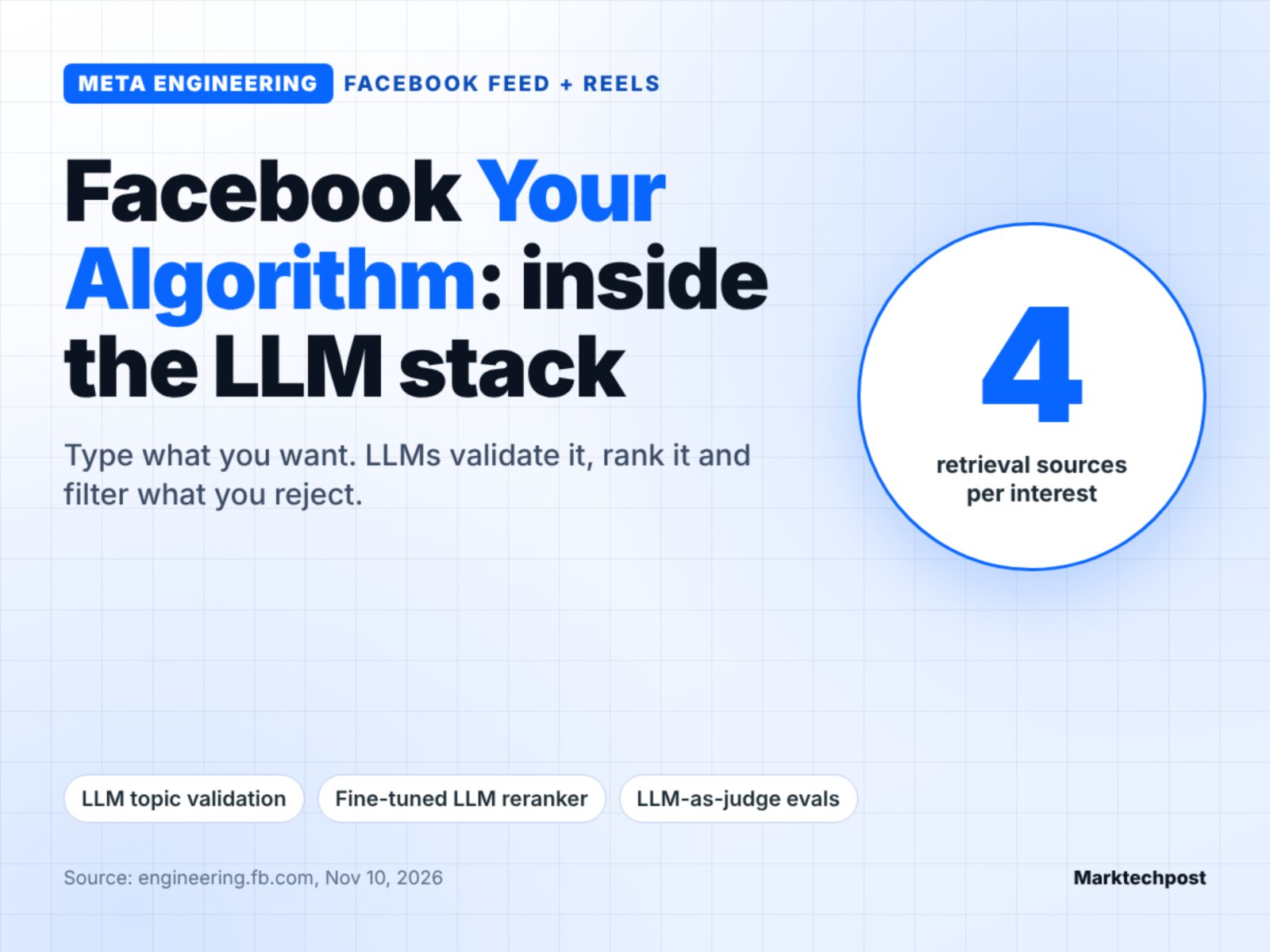
Uau, essa é uma notícia quente no mundo da tecnologia! Vamos transformar essa análise técnica em um bate-papo super didático no estilo Lucas Tech. Meta Desvenda o Algoritmo do Facebook: AGORA VOCÊ MANDA NO SEU FEED E REELS! Olá, pessoal! Aqui é o Lucas Tech na área pra gente bater
Leia Mais »
THOUGHTS: The user wants me to rewrite a title in Portuguese for Google Discover.
The original title is: "Roku drops smart home products to focus on streaming - what that means for your devices"
It needs to be:

In Portuguese.
For Google Discover (meaning short, curious, engaging, benefit-oriented or problem-oriented for the user).
Return ONLY the final title text.

Let's break down the original title's core message:

Who: Roku
What: Stopped making smart home products.
Why: To focus on streaming.
User Impact/Curiosity: What this means for your devices.

Now, let's brainstorm Portuguese equivalents, keeping Discover's style in mind.
Keywords and Concepts:

Roku: Roku
Drops smart home products: Fim da linha para produtos smart home, Roku desiste da casa inteligente, Roku abandona smart home.
Focus on streaming: Foco no streaming, prioridade ao streaming.
What that means for your devices: O que isso significa para seus aparelhos, E agora, seus dispositivos?, O futuro dos seus aparelhos Roku, Impacto nos seus aparelhos.
Curiosity/Engagement: Surpresa, Choque, Entenda, Saiba, Prepare-se, Efeitos, Consequências.

Drafting Ideas (Portuguese):


Direct translation attempt, then shorten:

Roku desiste de produtos smart home para focar em streaming: o que isso significa para seus aparelhos? (Too long)


Focus on the "Roku's big move" aspect:

Roku muda tudo: Adeus, casa inteligente! (Good start, but misses the "what it means for you")
Roku surpreende: Fim da linha para smart home. (Still missing user impact)


Focus on the "what it means for you" aspect immediately:

Seus aparelhos Roku: O que muda com o fim da linha smart home? (A bit long)
Roku abandona smart home: E seus aparelhos? (Better, but could be more intriguing)
Roku foca no streaming: Seus aparelhos estão seguros? (Adds a touch of intrigue/concern)
Roku e smart home: O que acontece agora com seus aparelhos? (A bit generic)
Roku desiste da casa inteligente: O que isso muda para você? (Good, direct, but maybe a bit plain for Discover)


Combining intrigue and impact, short:

Roku choca o mercado: E seus aparelhos smart home? (Good, "choca o mercado" is strong, "E seus aparelhos smart home?" targets the user)
Roku foca no streaming. O que muda para seus dispositivos? (A bit too neutral)
Roku: Fim da casa inteligente! E seus aparelhos? (This is strong. "Fim da casa inteligente" is impactful and curious. "E seus aparelhos?" directly addresses the user's concern. It's short, punchy, and poses a direct question.)
Roku foca no streaming: seus aparelhos smart home serão afetados? (Good, but "serão afetados" is a bit formal)


Let's refine "Roku: Fim da casa inteligente! E seus aparelhos?"

It's short.
It's curious ("Fim da casa inteligente!").
It's direct to the user ("E seus aparelhos?").
It clearly states who (Roku) and what (end of smart home).

Another option: "Roku dá adeus à casa inteligente: E os seus aparelhos?" (Also good, "dá adeus" is softer than "fim", but "fim" is more impactful).
Let's consider the nuance. Roku isn't abandoning all smart home, but its own line of products. The original title says "Roku drops smart home products". So "Fim da casa inteligente" is a bit strong, making it sound like smart home is over for Roku entirely, rather than Roku's products in smart home.
Let's adjust.

"Roku abandona smart home. O que isso significa para você?" (Good, direct, concise)
"Roku foca no streaming: Seus aparelhos smart home foram afetados?" (Past tense implies it already happened, which is not wrong, but "o que significa" focuses on the future/consequence).
"Roku sai da casa inteligente. E seus dispositivos?" (Clean, uses "sai da casa inteligente" which implies exiting the market for its own products). This is more accurate.
"Roku foca no streaming. O que acontece com seus aparelhos smart?" (A bit generic).

Let's try to make it even more compelling. The core is the implication for the user's existing devices.
"Roku abandona casa inteligente: Seus aparelhos correm risco?" (Adds a sense of urgency/risk, which is good for Discover). "Risco" might be too strong, as it's more about support than physical risk.
"Roku: Adeus à casa inteligente. E os seus aparelhos?" (This is good. "Adeus à casa inteligente" is concise and clear. "E os seus aparelhos?" directly targets the user's concern).
It implies Roku is exiting its own smart home product line, which is accurate.
Let's check the criteria:

Português: Yes.
Google Discover (curto e curioso): "Adeus à casa inteligente" is curious. "E os seus aparelhos?" is short and points to user impact.
APENAS o texto do título final: Yes.

I think "Roku: Adeus à casa inteligente. E os seus aparelhos?" is a strong candidate.
Let's try another:
"Roku foca no streaming: O que muda para seus aparelhos smart home?" (A bit long with "smart home" at the end).
"Roku: Fim da linha para produtos smart home! O que acontece com os seus?" (Slightly longer, but "Fim da linha" is impactful).
"Roku abandona smart home: E agora, seus aparelhos?" (Good, "E agora" adds urgency).
Let's evaluate "Roku: Adeus à casa inteligente. E os seus aparelhos?"

"Roku:" - clear subject.
"Adeus à casa inteligente." - intriguing, concise, describes the main action. It's accurate enough as it signals the end of their venture into it.
"E os seus aparelhos?" - directly addresses the user's personal stake, creating curiosity.

This version is short, impactful, and poses a direct question to the user, perfect for Discover.
Final check of prompt: "Retorne APENAS o texto do título final, sem introduções ou listas".
So the output should be just the chosen title.Roku: Adeus à casa inteligente. E os seus aparelhos?
Notícias

THOUGHTS: The user wants me to rewrite a title in Portuguese for Google Discover. The original title is: "Roku drops smart home products to focus on streaming – what that means for your devices" It needs to be:

  1. In Portuguese.
  2. For Google Discover (meaning short, curious, engaging, benefit-oriented or problem-oriented for the user).
  3. Return ONLY the final title text.

Let’s break down the original title’s core message:

  • Who: Roku
  • What: Stopped making smart home products.
  • Why: To focus on streaming.
  • User Impact/Curiosity: What this means for your devices.

Now, let’s brainstorm Portuguese equivalents, keeping Discover’s style in mind.

Keywords and Concepts:

  • Roku: Roku
  • Drops smart home products: Fim da linha para produtos smart home, Roku desiste da casa inteligente, Roku abandona smart home.
  • Focus on streaming: Foco no streaming, prioridade ao streaming.
  • What that means for your devices: O que isso significa para seus aparelhos, E agora, seus dispositivos?, O futuro dos seus aparelhos Roku, Impacto nos seus aparelhos.
  • Curiosity/Engagement: Surpresa, Choque, Entenda, Saiba, Prepare-se, Efeitos, Consequências.

Drafting Ideas (Portuguese):

  1. Direct translation attempt, then shorten:

    • Roku desiste de produtos smart home para focar em streaming: o que isso significa para seus aparelhos? (Too long)
  2. Focus on the "Roku’s big move" aspect:

    • Roku muda tudo: Adeus, casa inteligente! (Good start, but misses the "what it means for you")
    • Roku surpreende: Fim da linha para smart home. (Still missing user impact)
  3. Focus on the "what it means for you" aspect immediately:

    • Seus aparelhos Roku: O que muda com o fim da linha smart home? (A bit long)
    • Roku abandona smart home: E seus aparelhos? (Better, but could be more intriguing)
    • Roku foca no streaming: Seus aparelhos estão seguros? (Adds a touch of intrigue/concern)
    • Roku e smart home: O que acontece agora com seus aparelhos? (A bit generic)
    • Roku desiste da casa inteligente: O que isso muda para você? (Good, direct, but maybe a bit plain for Discover)
  4. Combining intrigue and impact, short:
    • Roku choca o mercado: E seus aparelhos smart home? (Good, "choca o mercado" is strong, "E seus aparelhos smart home?" targets the user)
    • Roku foca no streaming. O que muda para seus dispositivos? (A bit too neutral)
    • Roku: Fim da casa inteligente! E seus aparelhos? (This is strong. "Fim da casa inteligente" is impactful and curious. "E seus aparelhos?" directly addresses the user’s concern. It’s short, punchy, and poses a direct question.)
    • Roku foca no streaming: seus aparelhos smart home serão afetados? (Good, but "serão afetados" is a bit formal)

Let’s refine "Roku: Fim da casa inteligente! E seus aparelhos?"

  • It’s short.
  • It’s curious ("Fim da casa inteligente!").
  • It’s direct to the user ("E seus aparelhos?").
  • It clearly states who (Roku) and what (end of smart home).

Another option: "Roku dá adeus à casa inteligente: E os seus aparelhos?" (Also good, "dá adeus" is softer than "fim", but "fim" is more impactful).

Let’s consider the nuance. Roku isn’t abandoning all smart home, but its own line of products. The original title says "Roku drops smart home products". So "Fim da casa inteligente" is a bit strong, making it sound like smart home is over for Roku entirely, rather than Roku’s products in smart home.

Let’s adjust.

  • "Roku abandona smart home. O que isso significa para você?" (Good, direct, concise)
  • "Roku foca no streaming: Seus aparelhos smart home foram afetados?" (Past tense implies it already happened, which is not wrong, but "o que significa" focuses on the future/consequence).
  • "Roku sai da casa inteligente. E seus dispositivos?" (Clean, uses "sai da casa inteligente" which implies exiting the market for its own products). This is more accurate.
  • "Roku foca no streaming. O que acontece com seus aparelhos smart?" (A bit generic).

Let’s try to make it even more compelling. The core is the implication for the user’s existing devices.

"Roku abandona casa inteligente: Seus aparelhos correm risco?" (Adds a sense of urgency/risk, which is good for Discover). "Risco" might be too strong, as it’s more about support than physical risk.

"Roku: Adeus à casa inteligente. E os seus aparelhos?" (This is good. "Adeus à casa inteligente" is concise and clear. "E os seus aparelhos?" directly targets the user’s concern). It implies Roku is exiting its own smart home product line, which is accurate.

Let’s check the criteria:

  • Português: Yes.
  • Google Discover (curto e curioso): "Adeus à casa inteligente" is curious. "E os seus aparelhos?" is short and points to user impact.
  • APENAS o texto do título final: Yes.

I think "Roku: Adeus à casa inteligente. E os seus aparelhos?" is a strong candidate.

Let’s try another: "Roku foca no streaming: O que muda para seus aparelhos smart home?" (A bit long with "smart home" at the end). "Roku: Fim da linha para produtos smart home! O que acontece com os seus?" (Slightly longer, but "Fim da linha" is impactful).

"Roku abandona smart home: E agora, seus aparelhos?" (Good, "E agora" adds urgency).

Let’s evaluate "Roku: Adeus à casa inteligente. E os seus aparelhos?"

  • "Roku:" – clear subject.
  • "Adeus à casa inteligente." – intriguing, concise, describes the main action. It’s accurate enough as it signals the end of their venture into it.
  • "E os seus aparelhos?" – directly addresses the user’s personal stake, creating curiosity.

This version is short, impactful, and poses a direct question to the user, perfect for Discover.

Final check of prompt: "Retorne APENAS o texto do título final, sem introduções ou listas". So the output should be just the chosen title.Roku: Adeus à casa inteligente. E os seus aparelhos?

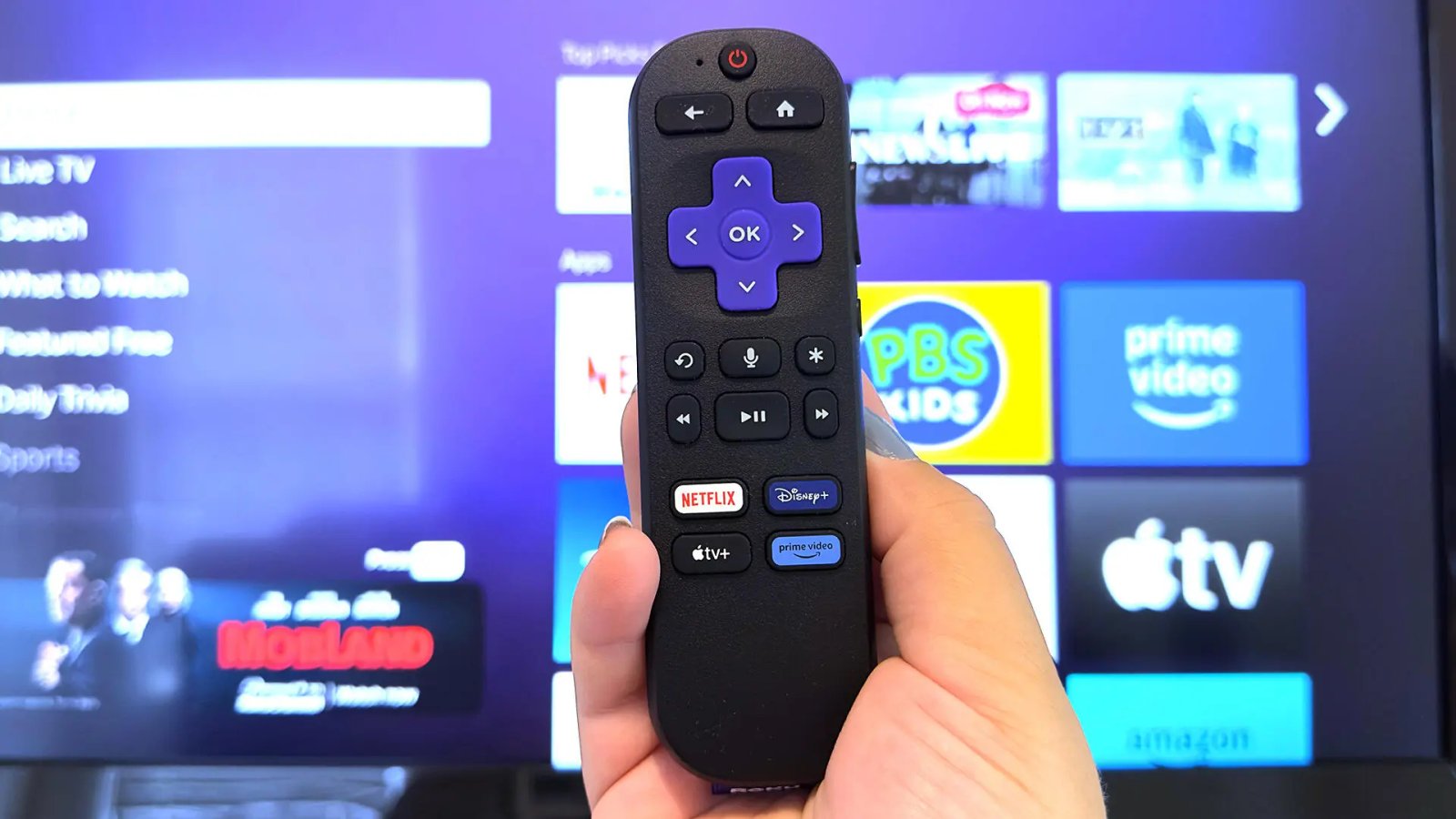
Roku DÁ ADEUS à Casa Inteligente? Entenda o Fim de Uma Era e o Que Acontece com SEUS Dispositivos! Olá, pessoal! Aqui é o Lucas Tech, seu parceiro no mundo da tecnologia, e hoje trago uma notícia que vai fazer muita gente piscar duas vezes. Preparem-se, porque uma gigante do

Leia Mais »

Categorias

BITS GENIAIS é o seu portal para o futuro da inteligência artificial, tecnologia e produtividade.

Destaques

Rolar para cima
Tutorial Elevenlabs