

Este Documentário QUEBROU a Internet e Desafiou Regras: O MELHOR FILME JÁ FEITO? 🤯
Olá, pessoal! Aqui é o Lucas Tech, e preparem-se porque o mundo do cinema acaba de ser virado do avesso! Um novo documentário, “You Can See Everything”, estreou na última quinta-feira e já está causando um alvoroço inacreditável nas redes sociais. A galera está simplesmente em choque, e não é para menos: tem gente dizendo que não é apenas o melhor filme do ano, mas talvez o melhor filme já feito! Mas, como bom entusiasta de tecnologia e de boas histórias, claro que fui investigar o que está por trás de todo esse burburinho. Vem comigo!
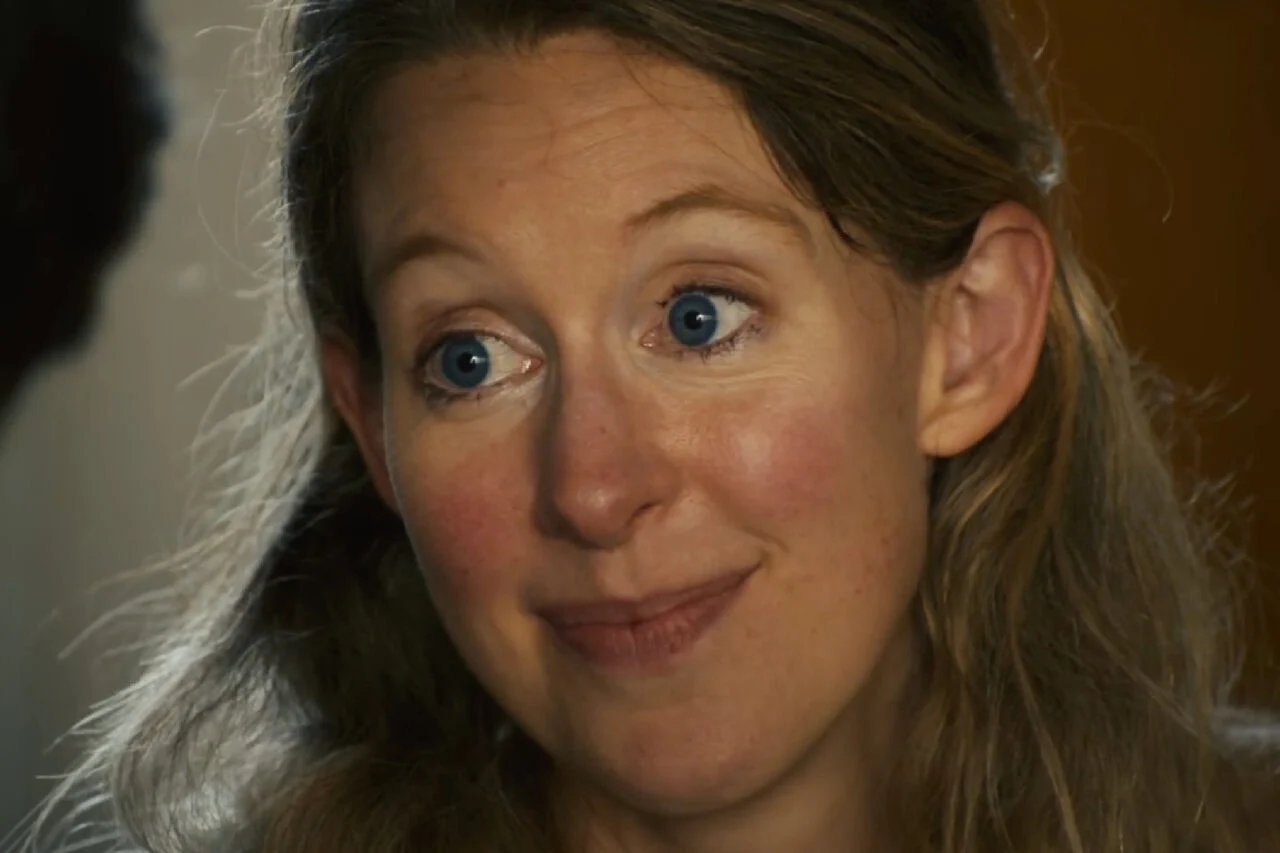
A Explosão de Críticas e o Mistério do IMDb
Imaginem a cena: o filme acabou de sair e as críticas iniciais já são… fenomenais! “You Can See Everything” alcançou uns absurdos 100% no Rotten Tomatoes, 99% no Fandango e um impressionante 9.3 no IMDb. Pra vocês terem uma ideia da grandiosidade desse número, 9.3 é a mesma nota de “Um Sonho de Liberdade” (1994), um clássico absoluto e o filme *melhor avaliado* na plataforma! Ele superou gigantes como “O Poderoso Chefão” (1972), com 9.2, e “Batman: O Cavaleiro das Trevas” (2008), com 9.1. É de cair o queixo, né?
Mas aí vem a pergunta que não quer calar: se ele é tão bom e tem uma nota tão alta, por que “You Can See Everything” não aparece na famosa lista dos “Top 250 Filmes” do IMDb? É o tipo de mistério que faz a gente coçar a cabeça!
Desvendando o Quebra-Cabeça: As Regras Secretas do IMDb
E aqui que entra a didática do Lucas Tech para desvendar esse enigma! A explicação está lá, bem escondidinha, no rodapé da página do IMDb: a lista dos “Top 250 Filmes” inclui *apenas longas-metragens*. Isso significa que curtas, filmes para TV e, sim, documentários, *não entram nessa lista* por padrão. É uma regra meio chata, mas é a regra!
Além disso, para entrar nesse ranking exclusivo, um filme precisa ter no mínimo 25.000 avaliações de usuários. No momento, “You Can See Everything” tem cerca de 1.000 avaliações. É um começo e tanto, mas ainda não o suficiente para bater essa meta. Pra ter um parâmetro, “Digger”, um filme que gerou bastante polarização, alcançou 37.000 avaliações em apenas duas semanas. Então, a expectativa é que não demore para essa obra-prima do Fielder alcançar o número necessário. (Ah, e já que estamos falando, “Digger” também vale a pena conferir!).
O Que Esperar? Surpresas na Tela e o Debate da Classificação
Quem já ouviu falar desse filme sabe que ele vem recheado de surpresas. Tem a presença de uma celebridade de peso e até um aviso sobre nudez frontal. E não se preocupem, o Lucas Tech não vai dar spoilers aqui! Mas é quase impossível falar sobre o quão incrível esse filme é sem revelar as reviravoltas que o tornam tão especial.
Mas, a grande questão que fica no ar é: será que “You Can See Everything” é *realmente* um documentário? O filme é sobre a controversa Elizabeth Holmes e “muitas outras coisas”, e foi codirigido por Nathan Fielder e Lance Oppenheim. Quem conhece o trabalho do Fielder sabe que ele adora borrar as linhas entre realidade e ficção. A gente pode questionar se é um documentário puro. E é aí que a discussão fica ainda mais interessante!
Nem Tudo São Flores: As Poucas Vozes Discordantes
Apesar do mar de elogios, como em qualquer lançamento que gera um debate gigantesco, sempre aparecem algumas vozes dissonantes. No Rotten Tomatoes, por exemplo, encontramos um punhado de críticas negativas. Uma pessoa deu 3.5 de 5 estrelas e comentou: “São 3 horas. Apenas a segunda metade é interessante”. Outro usuário, que deu apenas uma estrela, foi mais incisivo: “Tão chato e sem enredo ou resultado para falar. Se o objetivo era ajudar a causa dela, não ajudou em nada”.
Como alguém que já viu o filme (e sim, eu acho que ele merece um Oscar de Melhor Filme!), posso dizer que essas críticas são, no mínimo, curiosas. Mas essa ambiguidade de ser ou não um documentário levanta uma pulga atrás da orelha: será que ele será indicado ao prêmio principal? Nunca houve um Melhor Filme classificado como documentário. Mas, de novo, a gente pode argumentar que ele *não é* só um documentário. Ele é. E não é. E é tudo que posso dizer! Minha dica: vá assistir e tire suas próprias conclusões!
Minha Visão
Cara, esse lançamento de “You Can See Everything” é muito mais do que apenas um filme de sucesso. Ele está provocando uma reflexão gigantesca sobre o que esperamos do cinema, da verdade na tela e até sobre como as plataformas de avaliação, como o IMDb, categorizam e influenciam nossa percepção. A forma como ele desafia as convenções, tanto no conteúdo quanto na sua própria classificação, é um sinal de que a arte continua evoluindo e nos forçando a pensar fora da caixa. Pra mim, isso é a maior prova de um impacto duradouro, não só no cinema, mas na forma como consumimos e discutimos conteúdo online. É o tipo de fenômeno que um tech enthusiast como eu adora analisar!
E aí, galera? Depois de toda essa reviravolta, o que vocês acham: “You Can See Everything” realmente tem o potencial de ser o melhor filme já feito ou essa classificação ambígua vai atrapalhar seu legado? Me contem nos comentários! 👇
Referência: Matéria Original
Posts relacionados:

THINK The user wants me to rewrite a title in Portuguese for Google Discover. The original title is: "Experts warn 2.2 million cars could be at risk of hijacking via Bluetooth" The requirements are:
- Short
- Curious
- Return ONLY the final title text. No intros, no lists.
Let’s break down the original title’s core message:
- Who: Experts
- What: Warning about cars at risk
- How many: 2.2 million
- Risk: Hijacking
- Method: Via Bluetooth
Google Discover titles need to grab attention quickly. They often use questions, strong verbs, or create a sense of urgency/mystery.
Ideas:
- Focus on the vulnerability/risk directly: "Seu carro pode ser hackeado via Bluetooth?" (Is your car hackable via Bluetooth?) – Short, question, curious.
- Focus on the number and danger: "Milhões de carros em risco: O perigo Bluetooth." (Millions of cars at risk: The Bluetooth danger.) – Short, highlights scale, points to the method as the danger.
- More dramatic, direct threat: "Alerta: Carros podem ser roubados via Bluetooth!" (Alert: Cars can be stolen via Bluetooth!) – "Roubados" (stolen) is more impactful than "hijacked" in this context for Discover.
- Emphasize the hidden danger: "O perigo invisível: Seu carro vulnerável ao Bluetooth?" (The invisible danger: Your car vulnerable to Bluetooth?) – A bit longer, but "invisible danger" is good.
- Direct question about user’s car: "Seu carro está seguro? Hackers miram Bluetooth." (Is your car safe? Hackers target Bluetooth.) – Short, direct question.
Let’s evaluate for "short and curious":
"Seu carro pode ser hackeado via Bluetooth?"
- Short: Yes.
- Curious: Yes, it makes you wonder about your car.
"Milhões de carros em risco: O perigo Bluetooth."
- Short: Yes.
- Curious: Yes, "o perigo Bluetooth" is intriguing.
"Alerta: Carros podem ser roubados via Bluetooth!"
- Short: Yes.
- Curious: Yes, alarming and makes you want to know how.
"O perigo invisível: Seu carro vulnerável ao Bluetooth?"
- Short: A bit longer, but still manageable.
- Curious: Yes, "perigo invisível" and the question.
- "Seu carro está seguro? Hackers miram Bluetooth."
- Short: Yes.
- Curious: Yes, direct question.
I need to choose one and make sure it’s APENAS o texto.
Let’s go for something direct, impactful, and clearly implies a personal risk for the reader.
"Seu carro pode ser hackeado via Bluetooth?"
- Hits "short"
- Hits "curious" (raises a direct question to the reader)
- Uses "hackeado" which is very common and understood.
- Mentions "Bluetooth", the method.
Another strong option: "Alerta: Seu carro pode ser roubado via Bluetooth."
- "Alerta" (alert) adds urgency.
- "Roubado" (stolen) is a very strong, understood consequence of "hijacking".
- "Seu carro" personalizes it.
- "via Bluetooth" explains the mechanism.
- Short and curious.
I think "Alerta: Seu carro pode ser roubado via Bluetooth." is slightly stronger than the question for Discover, as it presents a direct warning, which often performs well. The question mark might make it sound too speculative. The exclamation mark in "Alerta!" adds to the urgency.
Let’s try to make it even more concise if possible. "Seu carro em risco: O ataque Bluetooth." (Your car at risk: The Bluetooth attack.)
- Short: Yes.
- Curious: Yes, "ataque Bluetooth" is intriguing.
"Perigo Bluetooth: Seu carro pode ser hackeado." (Bluetooth Danger: Your car can be hacked.)
- Short: Yes.
- Curious: Yes, direct threat.
"Milhões de carros em risco: O que o Bluetooth esconde?" (Millions of cars at risk: What does Bluetooth hide?)
- Longer, but "o que o Bluetooth esconde?" is very curious.
Let’s stick to the core "hijacking/hacking" idea and make it personal. "Seu carro pode ser hackeado via Bluetooth?" is good. "Alerta: Carros podem ser roubados via Bluetooth." is also good.
The original "hijacking" implies taking control, which "hackeado" (hacked) covers well. "Roubado" (stolen) is a consequence of hijacking, but "hackeado" is more precise to the technical aspect.
Let’s go with a direct, personal question. Questions often drive clicks on Discover.
"Seu carro pode ser hackeado via Bluetooth?" It’s short, directly addresses the reader, and uses a tech term that’s widely understood. It creates immediate curiosity.
Final check:
- Portuguese: Yes
- Google Discover: Yes (short, curious, direct)
- Short: Yes
- Curious: Yes (question form)
- Return ONLY the text: Yes
One last alternative: "Hackers podem roubar seu carro via Bluetooth?" – also good. But "Seu carro pode ser hackeado via Bluetooth?" sounds a bit more natural and less like a direct accusation to "hackers". It focuses on the car’s vulnerability.
Let’s go with "Seu carro pode ser hackeado via Bluetooth?". It’s concise and impactful.Seu carro pode ser hackeado via Bluetooth?
 THOUGHT
The user wants me to rewrite a title in Portuguese for Google Discover.
The title needs to be:
– Short
– Curious
– The original title is: “The Nordics and NVIDIA Show What’s Possible When a Region Commits to Advanced Computing”Let’s break down the original title’s core message:
– Nordics + NVIDIA
– Demonstrating potential/possibilities
– Through commitment to advanced computingKeywords for Discover (short & curious):
– What’s possible?
– Future?
– Innovation?
– Nordics
– NVIDIA
– ComputingDraft 1 (Literal, then shorten):
“Nórdicos e NVIDIA: O que acontece quando uma região aposta em computação avançada?” – A bit long.Draft 2 (Focus on “what’s possible” and “Nordics+NVIDIA”):
“Nórdicos + NVIDIA: O Futuro da Computação Chegou?” – Curious, short. Good.Draft 3 (More intriguing, less question):
“Nórdicos e NVIDIA: Descubra o Poder da Computação Avançada!” – A bit like an ad.Draft 4 (Focus on the ‘show what’s possible’ aspect with a twist):
“Nórdicos e NVIDIA: O Salto Quântico da Computação!” – “Salto Quântico” is a bit cliché for advanced tech, but conveys a big leap.Draft 5 (Simpler, more direct curiosity):
“Nórdicos + NVIDIA: O Segredo da Computação do Futuro?” – “Segredo” adds curiosity.Draft 6 (More active, what they are doing):
“Nórdicos + NVIDIA: Reconfigurando a Computação?” – “Reconfigurando” is strong.Let’s re-evaluate the core. It’s about a REGION committing.
“What’s possible when a region commits…”How to make “region commits” short and curious?
Maybe imply the outcome.Draft 7:
“Nórdicos + NVIDIA: O Futuro da Computação Começa Aqui.” – A bit too assertive, less curious.Draft 8: (Combining “what’s possible” and “Nordics+NVIDIA”)
“Nórdicos + NVIDIA: A Computação que Você Não Imaginava!” – Curious. “Não Imaginava” implies something new and groundbreaking. This fits “show what’s possible.”
It’s short.
It’s curious.
It mentions Nordics and NVIDIA.
It implies advanced computing without saying the long phrase.Let’s try one more with a slightly different angle.
“Nórdicos e NVIDIA: Assim se Faz a Computação do Amanhã!” – Also good, but “Assim se Faz” is a bit declarative.Comparing Draft 2 (“Nórdicos + NVIDIA: O Futuro da Computação Chegou?”) and Draft 8 (“Nórdicos + NVIDIA: A Computação que Você Não Imaginava!”).Draft 2 is a question, which often works well for curiosity.
Draft 8 implies an unknown, a surprise, which is also good for curiosity.Let’s consider the “short” aspect.
Draft 2: 7 words
Draft 8: 7 wordsBoth are good.
“A Computação que Você Não Imaginava!” suggests a revelation, which aligns with “show what’s possible.” It’s more active in conveying a reveal than just asking if the future has arrived.Final check on requirements:
– Portuguese: Yes
– Google Discover: Yes (short, curious, engaging)
– Short: Yes (7 words)
– Curious: Yes (“não imaginava” implies something surprising)
– ONLY the final text: YesI think “Nórdicos + NVIDIA: A Computação que Você Não Imaginava!” captures the essence effectively.Nórdicos + NVIDIA: A Computação que Você Não Imaginava!
THOUGHT
The user wants me to rewrite a title in Portuguese for Google Discover.
The title needs to be:
– Short
– Curious
– The original title is: “The Nordics and NVIDIA Show What’s Possible When a Region Commits to Advanced Computing”Let’s break down the original title’s core message:
– Nordics + NVIDIA
– Demonstrating potential/possibilities
– Through commitment to advanced computingKeywords for Discover (short & curious):
– What’s possible?
– Future?
– Innovation?
– Nordics
– NVIDIA
– ComputingDraft 1 (Literal, then shorten):
“Nórdicos e NVIDIA: O que acontece quando uma região aposta em computação avançada?” – A bit long.Draft 2 (Focus on “what’s possible” and “Nordics+NVIDIA”):
“Nórdicos + NVIDIA: O Futuro da Computação Chegou?” – Curious, short. Good.Draft 3 (More intriguing, less question):
“Nórdicos e NVIDIA: Descubra o Poder da Computação Avançada!” – A bit like an ad.Draft 4 (Focus on the ‘show what’s possible’ aspect with a twist):
“Nórdicos e NVIDIA: O Salto Quântico da Computação!” – “Salto Quântico” is a bit cliché for advanced tech, but conveys a big leap.Draft 5 (Simpler, more direct curiosity):
“Nórdicos + NVIDIA: O Segredo da Computação do Futuro?” – “Segredo” adds curiosity.Draft 6 (More active, what they are doing):
“Nórdicos + NVIDIA: Reconfigurando a Computação?” – “Reconfigurando” is strong.Let’s re-evaluate the core. It’s about a REGION committing.
“What’s possible when a region commits…”How to make “region commits” short and curious?
Maybe imply the outcome.Draft 7:
“Nórdicos + NVIDIA: O Futuro da Computação Começa Aqui.” – A bit too assertive, less curious.Draft 8: (Combining “what’s possible” and “Nordics+NVIDIA”)
“Nórdicos + NVIDIA: A Computação que Você Não Imaginava!” – Curious. “Não Imaginava” implies something new and groundbreaking. This fits “show what’s possible.”
It’s short.
It’s curious.
It mentions Nordics and NVIDIA.
It implies advanced computing without saying the long phrase.Let’s try one more with a slightly different angle.
“Nórdicos e NVIDIA: Assim se Faz a Computação do Amanhã!” – Also good, but “Assim se Faz” is a bit declarative.Comparing Draft 2 (“Nórdicos + NVIDIA: O Futuro da Computação Chegou?”) and Draft 8 (“Nórdicos + NVIDIA: A Computação que Você Não Imaginava!”).Draft 2 is a question, which often works well for curiosity.
Draft 8 implies an unknown, a surprise, which is also good for curiosity.Let’s consider the “short” aspect.
Draft 2: 7 words
Draft 8: 7 wordsBoth are good.
“A Computação que Você Não Imaginava!” suggests a revelation, which aligns with “show what’s possible.” It’s more active in conveying a reveal than just asking if the future has arrived.Final check on requirements:
– Portuguese: Yes
– Google Discover: Yes (short, curious, engaging)
– Short: Yes (7 words)
– Curious: Yes (“não imaginava” implies something surprising)
– ONLY the final text: YesI think “Nórdicos + NVIDIA: A Computação que Você Não Imaginava!” captures the essence effectively.Nórdicos + NVIDIA: A Computação que Você Não Imaginava!
THINK: The user wants to rewrite an English title in Portuguese for Google Discover. The title needs to be:
- Short
- Catchy/Curious
- Only the final text, no intro/lists.
Original title: "NVIDIA, Microsoft Kick Off a New Beginning for Windows PCs with RTX Spark and AI Agents"
Keywords/Concepts:
- NVIDIA, Microsoft (companies)
- New Beginning (fresh start, innovation)
- Windows PCs (target platform)
- RTX Spark (specific tech/feature, probably related to RTX GPUs and AI)
- AI Agents (artificial intelligence, intelligent assistants)
Goal: Make it concise and intriguing for a Discover feed.
Let’s break down the original title’s meaning and translate/adapt it:
- "NVIDIA, Microsoft Kick Off a New Beginning" -> NVIDIA e Microsoft iniciam uma nova era / O futuro começa com NVIDIA e Microsoft
- "for Windows PCs" -> para PCs Windows
- "with RTX Spark and AI Agents" -> com RTX Spark e Agentes de IA (this part is technical, might need to be simplified or implied)
Ideas for curiosity:
- Focus on the "new beginning" or "future."
- Hint at the power of AI.
- Mention the companies.
- Keep "RTX" if it’s a known brand for the target audience, or generalize it.
Draft 1 (Literal adaptation, too long): "NVIDIA e Microsoft iniciam uma nova era para PCs Windows com RTX Spark e Agentes de IA." (Still a bit long for "short")
Draft 2 (Focus on "New Beginning" / "Future"): "O futuro dos PCs Windows começa agora com NVIDIA e Microsoft." (Good, but lacks "curious" element about how or what makes it future)
Draft 3 (Adding AI/RTX hint): "NVIDIA e Microsoft: PCs Windows ganham nova vida com IA e RTX." (Better, "ganham nova vida" is good for "new beginning." "IA e RTX" is concise.)
Draft 4 (More curious, action-oriented): "A revolução dos PCs Windows? NVIDIA e Microsoft lideram com IA e RTX." (Question mark adds curiosity. "Revolução" is strong.)
Draft 5 (Even shorter, more direct curiosity): "NVIDIA e Microsoft: O que vem por aí nos PCs Windows com IA?" (Good, but "RTX" is a key part of the original title’s tech. Maybe "RTX Spark" is not meant to be lost.)
Let’s rethink "RTX Spark". It seems like a specific initiative. If it’s not widely known, generalizing to "IA e RTX" might be better. If it is a known buzzword, it should be kept or hinted at. Given the target (Discover feed), a more general impact might be better than obscure tech names. "AI Agents" also can be simplified to "IA".
Let’s focus on the "new beginning" and the "spark" idea. "Spark" can be a "faísca" (spark), but also "iniciar" (kick off).
Idea: What if we focus on what they are doing, not just that they are doing it? "NVIDIA e Microsoft: A nova era dos PCs Windows com IA e RTX." (Good, direct, but not super curious)
Let’s try to make it more intriguing:
- "O futuro dos PCs Windows acaba de mudar? NVIDIA e Microsoft revelam."
- "NVIDIA e Microsoft: PCs Windows nunca mais serão os mesmos. A era da IA e RTX."
"Curioso" aspect often comes from an intriguing question, a strong statement, or a hint of something transformative.
"NVIDIA e Microsoft: Prepare-se para o novo PC Windows com IA e RTX." (Command, "prepare-se") – Not bad.
What if we focus on the "spark" and "AI agents" in a more engaging way? "A faísca que vai mudar seu PC: NVIDIA e Microsoft trazem a IA." (Implies the change, hints at Spark, mentions AI) – Good, but "RTX" is still missing, and "Spark" is a product name, not just a metaphor. If "RTX Spark" is a specific name, it might be important.
Let’s assume "RTX Spark" is not a widely understood term for the casual Discover user and can be generalized to "IA e RTX".
"NVIDIA e Microsoft: A reinvenção do PC Windows começa com IA e RTX." (Stronger than "new beginning", "reinvenção") – This is good. "Curious" because "reinvention" implies a significant change. "Curto" as it’s concise.
Let’s try to make it even more direct about the impact or surprise. "Seu próximo PC Windows será assim: NVIDIA e Microsoft revelam a era da IA e RTX." (Good, personalizes it "Seu próximo PC")
"NVIDIA e Microsoft: A era da IA e RTX muda TUDO nos PCs Windows." (Emphatic, "tudo")
Let’s try to blend "new beginning" with curiosity. "O que NVIDIA e Microsoft aprontam para o PC Windows? A era da IA e RTX chegou." (Aprontam – "up to")
Let’s aim for something that makes the user click because they want to know how or what specifically. "NVIDIA e Microsoft: O PC Windows que você conhece nunca mais será o mesmo." (Strong statement, creates anticipation) – This is good for "curious." Then add the "how": "Com IA e RTX, uma nova era se inicia." – Still a bit long.
How about focusing on the transformation? "NVIDIA e Microsoft: Eles vão REVOLUCIONAR os PCs Windows com IA e RTX." (REVOLUCIONAR is strong and suggests big changes.)
Let’s try to keep it within Google Discover style which often uses direct, strong statements, or compelling questions.
Consider the user’s request: "curto e curioso".
"Atenção, PCs Windows: NVIDIA e Microsoft preparam o futuro da IA e RTX!" (Attention-grabbing)
Let’s refine the "reinvention" idea. "NVIDIA e Microsoft: A reinvenção do PC Windows pela IA e RTX." (Concise and powerful) – This feels right. It’s short, states the actors, the object, the action ("reinvenção"), and the means (IA e RTX). The "reinvenção" makes it curious.
Let’s compare to the original title again: "NVIDIA, Microsoft Kick Off a New Beginning for Windows PCs with RTX Spark and AI Agents"
"NVIDIA e Microsoft: A reinvenção do PC Windows pela IA e RTX."
- NVIDIA, Microsoft -> NVIDIA e Microsoft
- Kick Off a New Beginning -> A reinvenção (implies new beginning)
- for Windows PCs -> do PC Windows
- with RTX Spark and AI Agents -> pela IA e RTX (generalizes but keeps keywords)
This feels strong, concise, and curious enough. "Reinvention" is a big word, suggesting substantial changes, which naturally sparks curiosity.
One final check on "curto": "NVIDIA e Microsoft: A reinvenção do PC Windows pela IA e RTX." (Approx 60 chars) – Very short.
Final check on "curioso": "Reinvention" implies significant, possibly surprising, changes. What are they? How does it work? This should make people click.
Let’s try one more alternative for "curious" with a question. "O futuro dos PCs Windows? NVIDIA e Microsoft o refazem com IA e RTX." (Slightly longer, but "refazem" is strong) The "reinvenção" version is more direct and punchy.
Let’s stick with: "NVIDIA e Microsoft: A reinvenção do PC Windows pela IA e RTX." It conveys the main idea, uses key terms (IA, RTX), is short, and "reinvenção" sparks curiosity.A reinvenção do PC Windows pela IA e RTX: NVIDIA e Microsoft lideram.
 Ferramenta de podcast de IA se torna viral e agora consegue conversar em mais de 50 idiomas, além de se destacar em teste de espanhol.